
NDIS Independent living by Inclusion supports
Disability, Healthcare, NDIS and Support Services

Understanding NDIS Personal Care Services: A Friendly Guide for Everyday Life

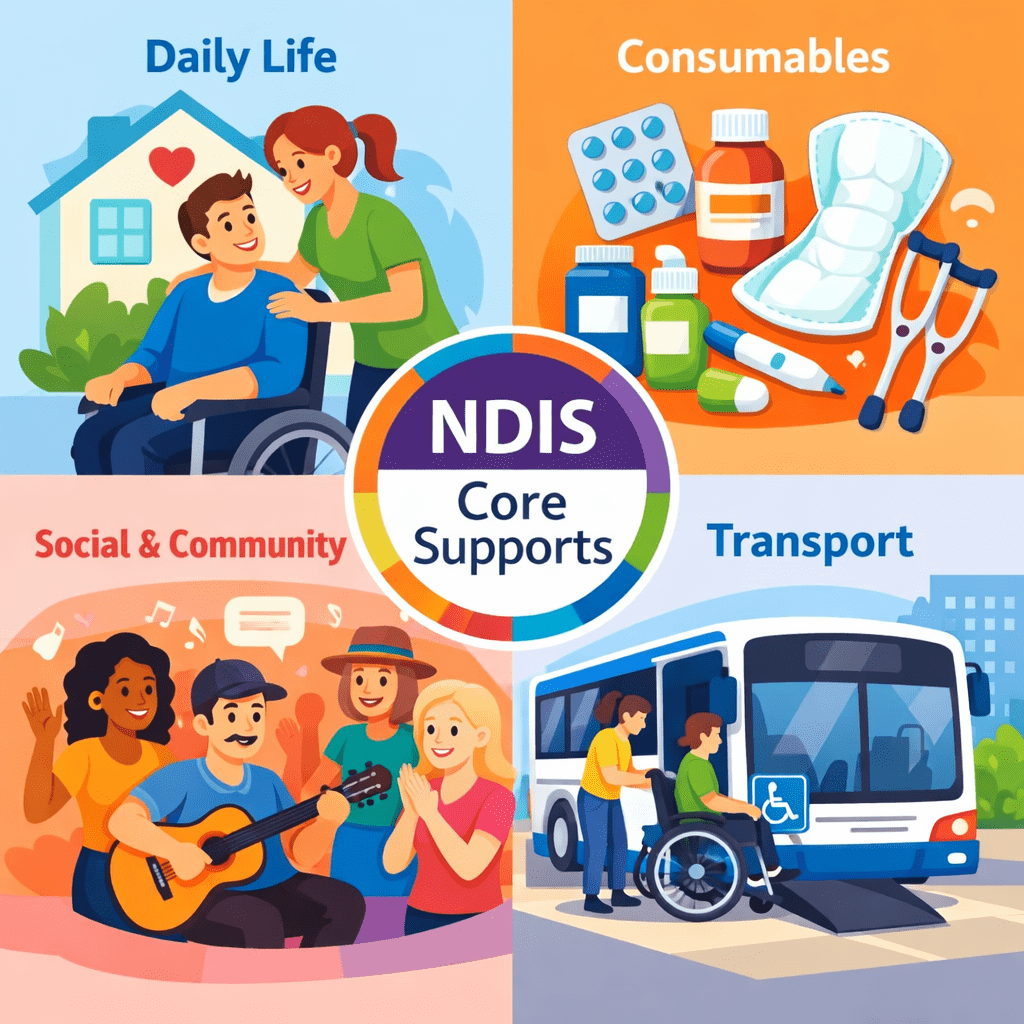
For many people and families navigating the NDIS for the first time, terms like NDIS personal care services can feel a little confusing. At Inclusion Supports Australia, we understand how overwhelming the system can seem, especially when you are trying to make the best decisions for yourself or for someone you care about. Therefore, we aim to make every support, every process, and every explanation simple, human, and easy to understand. NDIS personal care is more than a funded category—it’s a pathway to dignity, independence, and peace of mind. In fact, whether someone receives supports at home, in the community, or through supported independent living, personal care often plays a major role in building everyday independence. So, let’s take a friendly walk through what personal care means, how it connects with independent living NDIS, and why families across Western Australia rely on high-quality, person-centred support to enhance daily life. What are NDIS Personal Care Services? NDIS personal care services are supports designed to help people manage the daily activities of life. These services are tailored around what each person needs to stay safe, comfortable, and independent. As a result, they help maintain dignity, build confidence, and support meaningful routines. They can include assistance with: Showering, bathing, and hygiene Getting dressed Grooming and personal presentation Toileting Mealtime support Mobility support Medication reminders Skin integrity and pressure care Morning and evening routines In Western Australia, people searching for disability services WA often come to us because personal care brings more ease and comfort into day-to-day life. Additionally, it gives people the confidence to take charge of their routines, while knowing a respectful and trained support worker is there when needed. Why personal care is such an essential support Personal care is not simply about completing tasks—it’s about creating opportunities for independence. At Inclusion Supports Australia, we see the impact every day: people feel more capable, families feel more supported, and daily routines become smoother and safer. Furthermore, the right personal care support helps people: Maintain dignity Enjoy safer daily routines Feel more confident in their homes Reduce stress and fatigue Stay connected to their community Make their own choices about how life should look For family members who are providing informal care, personal care supports can also reduce pressure and create a healthier balance at home. Consequently, this often leads to stronger, happier relationships. How personal care links to Supported Independent Living (SIL) Many NDIS participants exploring personal care also hear terms like: NDIS supported independent living supported independent living SIL NDIS NDIS SIL independent living NDIS So how does it all connect? In simple terms, personal care focuses on daily routines, while SIL focuses on the living arrangement and ongoing support. Therefore, they work together naturally. Supported Independent Living (SIL) provides help for people who want to live independently—either alone or with housemates—while still having access to regular support. Meanwhile, personal care is one of the key components included inside SIL arrangements. This may include: Morning routines Assistance preparing meals Help with household tasks Evening routines Overnight support Medication and mobility support Altogether, SIL gives people the chance to live with freedom and choice, while personal care ensures daily life stays safe, comfortable, and manageable. Combined, they create a strong foundation for long-term independence. Personal care that is truly personal Every person has unique preferences, routines, and comfort levels. Because of this, our team takes time to understand what each person needs—not only to stay safe but to feel respected and empowered. We focus on: Listening first Respecting cultural and personal preferences Matching suitable support workers Maintaining consistency Encouraging independence wherever possible Ensuring privacy and dignity at all times Ultimately, personal care should feel natural, supportive, and tailored—not rushed or one-size-fits-all. Our goal is always to make sure each person feels heard, included, and respected. Who can access NDIS personal care services? Personal care is funded through a participant’s Core Supports, under “Assistance with Daily Living” or “Self-Care Activities.” Most participants who need help with daily routines already have it included in their plan. However, many people aren’t always sure how to confirm this, and that’s where guidance helps. You may be eligible if you need assistance with: Getting ready in the morning Toileting, hygiene, or showering Eating or preparing meals Moving around your home safely Managing daily routines Ongoing support in a SIL environment If someone is unsure whether personal care is included in their plan, our team can help review the plan and explain everything in simple terms. In addition, support should never feel confusing or stressful. For personalised guidance, feel free to reach out through ourContact Page. Choosing the right personal care provider Finding a provider who understands your needs, values, and goals is essential. After all, a good provider can transform the way personal care feels in daily life. When comparing providers, look for: ✔ Respectful, well-trained staff Support workers should make you feel safe and valued. ✔ A person-centred approach Your routines and independence must always come first. ✔ Flexibility and choice Support should fit your life—not the other way around. ✔ Consistency Familiar support workers build trust and comfort. ✔ Experience delivering SIL and community supports This ensures smooth support across different areas of life. Because of these reasons, Inclusion Supports Australia prioritises respect, dignity, and individual needs in every service. How Inclusion Supports Australia can support your journey Whether someone needs a little daily assistance or full-time support through supported independent living, our team is here to help. We support individuals with a range of abilities, backgrounds, and needs across WA. Ultimately, our focus is on dignity, independence, and personalised care. Getting started is simple. You can submit a referral anytime through ourReferral Page. Or, if you have questions, our team is happy to assist through ourContact Page. Final thoughts Understanding NDIS personal care services can open the door to a more confident, safe, and independent life. Additionally, whether you receive support at home, in the community, or as part of a SIL

A person enjoying independent living activities
Comuunity, NDIS and Support Services

Finding Freedom and Support: The Benefits of Supported Independent Living (SIL) in Perth

At Inclusion Supports Australia, we believe that Supported Independent Living WA is more than just accommodation — it’s about freedom, confidence, and personalised care for people with disabilities. If you’re exploring supported independent living in WA, this guide will help you understand how SIL works, what to expect, and how it can open doors to a more fulfilling life. Why Choose Supported Independent Living in WA?? Supported Independent Living (SIL) is an NDIS-funded service that provides ongoing help for daily tasks so participants can live as independently as possible. This support often includes assistance with cooking, cleaning, personal care, budgeting, and developing social or life skills — all within the comfort of your own home or shared accommodation. At Inclusion Supports Australia, we see SIL as more than just practical assistance — it’s a partnership in building confidence, capability, and community connections. “It’s about living your life, your way, with just the right amount of support.” Benefits of SIL for NDIS Participants in Perth Greater Independence with the Right SupportSIL allows participants to take charge of their daily routines while knowing help is available when needed. Whether it’s managing meals or organising appointments, you decide how you want to live — we’re just there to make it smoother. Safe and Comfortable Accommodation OptionsOur team helps participants find homes that match their preferences and accessibility needs. Whether you want to live close to family or near the heart of Perth, our SIL providers in Perth are here to help you feel at home. Skill Development for Everyday LifeEvery small achievement counts — from learning to cook your favourite meal to travelling independently. SIL is designed to build these essential life skills over time, giving you more confidence every day. Community Inclusion and BelongingPerth is full of inclusive communities and local events for NDIS participants. With our support, you can join activities, make new friends, and become part of something bigger — because inclusion should never be out of reach. Peace of Mind for FamiliesFamilies can rest easy knowing their loved ones are supported by qualified, compassionate professionals who genuinely care. Our priority is to provide a safe, nurturing environment where participants can thrive. Why Choose Inclusion Supports Australia? As a trusted SIL provider in Perth, we tailor our support plans to suit each person’s goals and abilities. We collaborate closely with participants, families, and NDIS planners to ensure every support hour makes a real difference.  Learn more about our Support Coordination servicesOr explore how we help with In-Home and Community Support For more information about NDIS funding for Supported Independent Living, visit the official NDIS SIL page. Ready to Begin Your SIL Journey? If you or your loved one is ready to take the next step toward independence, we’d love to help. Contact our Perth team today to discuss your goals and explore available SIL vacancies near you. Together, we can make independent living feel like home.

Disability

Disability Services WA: Guide for Caregivers

Caring for a loved one with a disability can be both rewarding and challenging. As a caregiver in Western Australia, understanding the range of disability services WA has to offer can make a world of difference — not only for the person you support but also for your own wellbeing. This guide will help you navigate available supports, understand funding options, and connect with the right organisations. Understanding Disability Services in WA Western Australia provides a wide range of disability services designed to empower individuals with disabilities to live independently, build skills, and engage in their communities. These services include personal care, therapy supports, respite care, community participation, and supported independent living. At Inclusion Supports Australia, we partner with families and participants to deliver high-quality, person-centred support that aligns with individual goals and NDIS plans. Whether you are new to the National Disability Insurance Scheme (NDIS) or looking for ongoing support, we are here to guide you through each step. Types of Disability Services Available Personal Care and Daily Living SupportAssistance with bathing, dressing, mobility, and meal preparation helps participants maintain their independence and dignity at home. Therapeutic SupportsAccess to NDIS therapy services such as occupational therapy, physiotherapy, and speech pathology ensures participants reach their personal and functional goals. Community and Social ParticipationThese programs help individuals engage with their community, join social groups, or participate in skill-building workshops. Respite and Short-Term AccommodationShort breaks for caregivers can reduce stress and provide participants with new experiences and opportunities for growth. Supported Independent Living (SIL)For individuals ready to live more independently, SIL offers housing and daily support tailored to their needs. Navigating the NDIS in WA The NDIS – Support Coordination Explained article on our website offers a detailed breakdown of how NDIS plans are structured and how to make the most of your funding. For official details, visit: NDIS Quality and Safeguards Commission NDIS Price Guide and Support Catalogue These resources will help you understand your rights, responsibilities, and how to ensure the services you choose meet the highest standards. How Caregivers Can Access Services If you are a caregiver looking for disability services in WA, it’s important to start with a referral or direct enquiry. To connect with our team and discuss personalised supports, visit our Contact Us page. You can also make a Referral online to begin your journey toward tailored care. Our experienced staff will assess your needs, explain available options, and create a support plan that fits your goals. Why Choose Inclusion Supports Australia Person-Centred Approach: We listen to participants and families to design supports that truly reflect their needs. Qualified Support Staff: Our team is trained, caring, and experienced in providing NDIS-approved services. Local Experience: We understand the Western Australian community and offer supports that align with local resources and culture. Whether you need ongoing assistance or short-term help, we ensure you and your loved one receive compassionate, consistent care. Final Thoughts Being a caregiver can be overwhelming at times, but knowing that quality disability services WA are accessible makes the journey easier. At Inclusion Supports Australia, we’re here to support both participants and caregivers through every step — ensuring comfort, dignity, and independence remain at the heart of all we do. For more information or to begin your support journey, contact us today.

NDIS services by Inclusion Supports Australia
NDIS and Support Services

Understanding NDIS Personal Care Services: A Guide for Participants & Families

NDIS personal care services are an essential support that helps people with disability live with dignity, independence and safety. These supports include hands-on assistance with daily personal tasks such as showering, dressing, toileting, medication prompts, mobility assistance and other intimate care activities that a participant may need to take part in everyday life. When delivered well, personal care services help people achieve their goals — staying healthy, participating in community life and maintaining choice and control. Who can access NDIS personal care services? Personal care supports can be funded by the NDIS for participants when those supports are considered reasonable and necessary to help achieve the participant’s goals and meet their support needs. The National Disability Insurance Agency (NDIA) assesses whether a requested support is reasonable and necessary by looking at whether it is related to the participant’s disability, helps them pursue their goals, represents value for money and does not duplicate informal supports. This means not every personal care request is automatically funded — it must be justified in the participant’s plan. What’s typically included in personal care services? Common elements of NDIS personal care services include: Assistance with showering, dressing and personal hygiene Help with mobility and transfers (e.g., bed ↔ wheelchair) Support with eating and drinking where required Assistance with medication prompts and basic health monitoring (within scope) Toileting and continence support Support to build daily living skills so participants can increase independence over time Personal care can be delivered in a range of settings — at home, in the community, at school or at work — depending on what the participant needs and what is funded in their plan. Providers, safety and quality When a participant chooses a registered provider, that provider must meet the NDIS Quality and Safeguards Commission’s Practice Standards and is regulated accordingly. These frameworks set expectations for safe, respectful, person-centred delivery of supports, including workforce screening, worker training and incident management. Participants should always feel able to check a provider’s registration status and make complaints to the NDIS Commission if they have concerns about safety or quality. Cost and pricing NDIS personal care supports are paid according to the NDIS Pricing Arrangements and Price Limits. Providers use the NDIA’s cost models and price limits to set fees for disability support worker services; participants should always confirm how supports are billed (hourly, shift, or packaged arrangements) and check their plan funding. Price arrangements are updated periodically, so participants and providers need to stay informed about current limits and how charges are applied. How to access personal care through the NDIS Include the support in your plan: During planning conversations, explain the functional impact of your support needs and how personal care helps you achieve your goals. Get a quote: Ask potential providers for a clear quote that shows hourly rates, travel or cancellation fees and any other charges. Choose your provider: Participants can use registered providers, find them through the NDIS Provider Finder, or choose unregistered providers when their plan allows. Check provider credentials, reviews and whether they follow NDIS Practice Standards. Tips for participants and families Be specific in your plan about the support you need (times, tasks, frequency). Ask about training and screening for workers involved in personal care. Talk to your local planner or support coordinator if you’re unsure whether a support is reasonable and necessary. Keep records of agreed services and incidents, and raise concerns promptly with the provider or the NDIS Commission if safety is at risk. Why choose Inclusion Supports Australia At Inclusion Supports Australia, we specialise in helping NDIS participants and their families understand and access the supports they need. From supporting plan preparation to provider selection, we can help you navigate NDIS personal care services with confidence — and make sure your plan reflects your true support needs. Contact us today to find out how we can assist.  About Inclusion Supports Australia How we help with NDIS plan reviews & personal care supports How to choose an NDIS registered provider

frequently asked questions NDIS
NDIS and Support Services

NDIS Therapy Services: Frequently Asked Questions

If you or someone you support is accessing the National Disability Insurance Scheme (NDIS), it’s important to understand how therapy services fit into your plan. At Inclusion Supports Australia, we want to clarify how NDIS therapy services work, what support is available, and how to choose the right provider for your individual needs. 1. What are “therapy supports” under the NDIS? Therapy supports refer to evidence-based supports delivered by qualified allied health professionals designed to build or maintain a participant’s functional capacity (for example in language, mobility, personal care, social interaction). NDIS+1These are different from purely health-services (which are usually funded through Medicare or state health systems) and must meet the NDIS’s “reasonable and necessary” criteria. NDIS+1 2. Who can deliver NDIS-funded therapy services? Only providers who are appropriately qualified and (where required) registered with bodies such as the Australian Health Practitioner Regulation Agency (AHPRA) or an accredited allied-health association can deliver therapy supports under NDIS. PACFA+1Even if the plan is self-managed, the provider still needs to meet these qualification standards. PACFA 3. What types of therapy are covered? Therapies that help improve, maintain or slow the decline of functional capacity are eligible. This includes areas like mobility, communication, interpersonal interaction, and community participation. NDIS+1Note: Some therapies (e.g., art therapy / music therapy) are still under review in terms of their classification for NDIS funding. NDIS+1 4. How do I know if therapy is “reasonable and necessary”? “Reasonable and necessary” means the therapy must: be related to your disability support needs help you work toward goals in your plan represent value for money be likely to help you achieve an outcome. PACFA+1Your therapist should provide a well-written assessment or report that outlines why the support is needed, how often it should be provided, and what outcomes can be expected. speechpathologyaustralia.org.au+1 5. What’s the difference between plan-managed, self-managed and NDIA-managed when it comes to therapy? If your plan is NDIA-managed, you generally must use a registered provider, and they can invoice the NDIA directly. If self-managed or plan-managed, you more flexibility in choosing providers (including unregistered ones) but you still need to ensure they meet the eligibility/qualification criteria. therapyonlineaustralia.comIt’s important to check that any provider you choose has experience working with NDIS plans and understands reporting obligations (e.g., progress reports, invoices). 6. Can I change therapy providers if I’m not happy? Yes — you have the right to choose a provider who best meets your needs, preferences and desired therapy style.If a provider isn’t compatible, or you feel you’re not getting the outcomes you hoped for, talk to your support coordinator or plan manager and consider an alternative. therapyonlineaustralia.com 7. What happens if therapy funding runs out or I need more sessions? If your therapy funding in your NDIS plan is used up or you require more support than originally planned, you can ask for a plan review. Your therapist can help by providing updated evidence of progress, or showing that additional sessions are necessary to meet your goals. therapyonlineaustralia.comIt’s wise to monitor how the sessions are going and whether measurable progress is being made. 8. What sorts of therapy supports won’t be funded by NDIS? The NDIS is not intended to fund supports that are part of mainstream health or education systems (e.g., diagnosis, hospital treatment, purely recreational activities). NDIS+1Also, if a therapy lacks evidence of improving functional capacity (for NDIS purposes) it may not be funded. speechpathologyaustralia.org.au+1Always ask: is the therapy outcome-based and disability-related, or is it something that should be funded outside of the NDIS? 9. What should I ask a therapy provider? When engaging a therapy provider (for example an occupational therapist, speech pathologist or behavioural therapist), consider asking: What experience do you have working with NDIS participants? Are you registered with (or accredited by) the relevant professional body? How will the therapy align with my NDIS goals? How many sessions do you estimate, and what outcomes will we measure? Do you provide progress reports and can you assist with plan-review documentation?These questions help ensure you choose a provider who understands both therapy and the NDIS environment. therapyonlineaustralia.com+1 10. How can Inclusion Supports Australia help? At Inclusion Supports Australia, we specialise in delivering NDIS therapy supports through qualified allied health professionals who understand the NDIS framework. We can assist with referral, plan-management, and help connect you with the right therapist to meet your goals.If you’d like to talk to us about how our therapy services work, feel free to Contact Us and we’ll guide you through your options.If you’d like to refer yourself or someone you support into our therapy services, you can submit a form on our Referral Page and our team will be in touch. Navigating NDIS therapy services doesn’t need to be overwhelming. By understanding what therapy supports are, how they are funded, what qualifies, and how to choose a provider, you’re better equipped to make the most of your NDIS plan. Whether you’re just starting or reviewing your plan, the right therapy support can help you build independence and participate more fully in life.For any questions about therapy options available through Inclusion Supports Australia, please get in touch via our Contact Us page or complete a referral via our Referral page.

In-home support coordination
NDIS and Support Services

NDIS Support Coordination: Why You Need It

Navigating the National Disability Insurance Scheme (NDIS) can be challenging, especially if you’re new to it or have multiple supports to manage. That’s where NDIS support coordination becomes essential. It’s not just about organizing your services — it’s about empowering you to take control of your NDIS plan and live more independently. In this post, we’ll explore what NDIS Support Coordination is, why it’s so valuable, how it works, and why it’s crucial for achieving your goals — whether you need supported independent living (SIL), personal care, or inclusion supports in Australia. What Is NDIS Support Coordination? NDIS support coordination helps participants understand, implement, and manage their NDIS plans. A Support Coordinator is your personal guide — someone who ensures you’re getting the right mix of disability support services to meet your unique needs. Their job is to: Help you understand your plan and budget Connect you with trusted, qualified service providers Build your capacity to coordinate supports independently Resolve issues with providers or service delivery Monitor and review your plan’s progress For instance, if your plan includes SIL NDIS, your Support Coordinator will help you find the right supported independent living arrangements that align with your goals and preferences. Why You Need NDIS Support Coordination 1. Maximise Your NDIS Plan Many participants don’t use their full NDIS funding simply because they’re unsure how to apply it. A Support Coordinator ensures every dollar is spent effectively on your goals. They’ll help you identify gaps in your support and connect you with high-quality NDIS personal care or community participation services. Having someone who understands the NDIS system saves you time, reduces confusion, and helps you make informed decisions. 2. Find the Right Providers Choosing providers for disability support services, personal care, or SIL NDIS can feel overwhelming. Your Support Coordinator does the research for you — checking provider credentials, availability, and suitability for your needs. They can help you find local services, including NDIS community participation in Canning Vale, independent living NDIS, and inclusion supports Australia-wide. If you live in Western Australia, having someone who understands your local community and available programs is especially valuable. 3. Reduce Stress and Confusion Managing multiple providers, invoices, and appointments can quickly become stressful. NDIS support coordination takes the pressure off. Your Support Coordinator handles communication between providers, tracks your plan’s spending, and helps you stay organised. This means you can focus less on paperwork and more on what truly matters — achieving your goals and improving your quality of life. 4. Build Confidence and Independence The ultimate aim of support coordination is empowerment. Over time, you’ll learn how to manage your plan independently, understand how to review or change supports, and build valuable decision-making skills. Whether you’re pursuing inclusion supports to join community activities or moving toward supported independent living, your Support Coordinator ensures you feel confident every step of the way. Types of Support Coordination The NDIS provides three levels of Support Coordination, depending on your plan and needs: Support Connection – helps you understand and connect with informal, community, and funded supports. Support Coordination – a higher level of support that builds your ability to manage services and coordinate your NDIS plan. Specialist Support Coordination – designed for participants with complex needs or high-risk situations requiring advanced coordination. Your NDIS planner or Local Area Coordinator (LAC) can help determine which level best fits your situation. How Support Coordination Works Once your plan is approved and includes funding for support coordination, your Support Coordinator will: Review your NDIS plan and discuss your goals. Identify the right mix of supports (for example, personal care NDIS, SIL, or inclusion supports). Help you connect with suitable providers and set up service agreements. Monitor progress and adjust supports as needed. Prepare for your next plan review by tracking outcomes. It’s a partnership based on trust, communication, and empowerment. Inclusion Supports in Australia Inclusion is a cornerstone of the NDIS. Inclusion supports are services and programs designed to help people with disabilities participate fully in their communities — socially, economically, and culturally. Examples include: Joining local sports clubs or hobby groups Attending skills training or workshops Volunteering or employment assistance Participating in local community events A Support Coordinator ensures these inclusion supports are part of your plan so you can live a connected, fulfilling life. If you’re based in areas like Canning Vale or Perth, your coordinator can connect you with local inclusion programs and social participation opportunities tailored to your interests. Who Can Benefit from NDIS Support Coordination? You may benefit from support coordination if you: Have multiple supports or providers to manage Are new to the NDIS and unsure how to start Need help understanding funding categories Want to move into supported independent living Require assistance accessing community participation or disability support services How to Access NDIS Support Coordination If you have funding for Support Coordination in your plan, you can choose your own provider. Make sure to select an experienced, registered NDIS provider who understands your goals and communicates clearly. If you don’t have Support Coordination in your current plan, you can request it during your next plan review by explaining why you need it to manage your supports effectively. Ready to get started?Contact us today to speak with our friendly team about how NDIS support coordination can help you achieve your goals.You can also submit a referral form to get connected with a Support Coordinator near you. Helpful Resources For more information about the NDIS and support coordination, check out these official resources: NDIS – Support Coordination Explained NDIS Quality and Safeguards Commission NDIS Price Guide and Support Catalogue Final Thoughts NDIS support coordination is more than just managing services — it’s about helping you build confidence, independence, and inclusion in every aspect of your life. With the right Support Coordinator by your side, you can access supported independent living, disability support services, and inclusion supports that empower you to reach your full potential. Whether you’re in Canning Vale, Perth, or anywhere in

in-home NDIS support
Comuunity, NDIS and Support Services

In-Home Care NDIS Perth: What to Expect

For many people living with a disability, receiving quality care in the comfort of their own home can make all the difference. In-home care services through the NDIS (National Disability Insurance Scheme) empower participants to live more independently while receiving tailored support. If you live in Perth and are exploring In-Home Care NDIS Perth options, this guide explains everything you can expect—from services offered to how to get started. Understanding In-Home Care Under the NDIS In-home care refers to personalised support provided in your own home by trained support workers. These services are designed to help you with daily activities, maintain your independence, and improve your quality of life. Under the NDIS, in-home care can cover a range of supports depending on your needs and goals. These may include: Personal care (showering, dressing, grooming) Household tasks (cleaning, laundry, meal preparation) Community participation (shopping, attending appointments, or social outings) Respite care for family members Overnight or 24-hour care for complex needs If you have an approved NDIS plan that includes Core Supports, you can use part of your funding for in-home assistance. Why In-Home Care Is Important Living at home promotes a sense of comfort, stability, and familiarity—especially for people managing disabilities or chronic conditions. Instead of adjusting to a facility’s routines, you receive care that adapts to your lifestyle. Moreover, in-home care provides emotional benefits. Many participants report feeling more confident and independent when they have control over their environment. With a dedicated support team, daily routines become manageable, and social isolation can be reduced. In-Home Care NDIS Perth: What You Can Expect When choosing an NDIS-registered provider in Perth, like Inclusion Supports Australia, you can expect professional, person-centred, and culturally sensitive support tailored to your needs. Here’s what the process usually looks like: 1. Initial Consultation and Needs Assessment Your NDIS journey starts with understanding your personal goals and needs. During your first consultation, your chosen provider will discuss your daily challenges, preferences, and health requirements. At Inclusion Supports Australia, this meeting helps build a tailored care plan that aligns with your NDIS funding categories. 2. Creating a Personalised Support Plan Every participant’s needs are unique, which is why your in-home care plan will be fully customised. The plan may include: Morning and evening routines Domestic assistance schedule Medication support Meal planning and preparation Mobility assistance and transfers Social and recreational activities Your plan is flexible and can be adjusted as your circumstances change. 3. Qualified and Compassionate Support Workers One of the biggest advantages of choosing a trusted provider is having trained professionals who genuinely care. NDIS support workers in Perth are required to hold relevant qualifications, first aid training, and undergo background checks. At Inclusion Supports Australia, support workers are matched based on skills and personality compatibility, ensuring comfort and trust between you and your carer. 4. Safety and Quality Assurance Safety is always a top priority in in-home care. Providers adhere to NDIS Practice Standards and Quality Indicators. These include protocols for incident reporting, infection control, and client privacy. You can learn more about quality and safeguarding standards on the official NDIS Quality and Safeguards Commission website. 5. Ongoing Monitoring and Review Your care plan isn’t static—it evolves with you. Regular reviews help ensure your supports remain effective and aligned with your goals. Participants are encouraged to share feedback, so adjustments can be made quickly if needed. Types of In-Home Care Services in Perth Let’s explore the different in-home supports available under the NDIS: a. Daily Living Assistance These services include personal hygiene, meal preparation, dressing, and mobility help. They’re ideal for participants who want to maintain their independence with a little extra support. b. Household Management A clean and organised home contributes to better mental and physical health. Support workers can assist with light cleaning, vacuuming, laundry, and grocery shopping. c. Overnight or 24-Hour Care For participants with higher support needs, round-the-clock assistance ensures safety and peace of mind for families. d. Respite Care Caring for a loved one is rewarding but can be physically and emotionally demanding. Respite care provides short-term relief for primary caregivers while ensuring the participant receives continuous support. e. Community Participation Support workers can accompany you to community events, recreational activities, or educational programs—helping you stay socially connected. Choosing the Right NDIS In-Home Care Provider in Perth Selecting the right provider is essential for achieving your goals. Here are some key factors to consider: NDIS Registration: Always choose an NDIS-registered provider like Inclusion Supports Australia to ensure you receive safe, approved services. Experience: Look for providers experienced in supporting people with similar needs to yours. Transparency: Your provider should clearly explain service costs and inclusions before you commit. Cultural Sensitivity: Choose a team that respects your background, culture, and personal preferences. Flexibility: Needs change over time; your provider should adapt easily to new requirements. How to Access In-Home Care NDIS Services in Perth Getting started is simpler than you might think: Check Your NDIS Eligibility: Visit the NDIS website to confirm your eligibility. Develop Your NDIS Plan: Once approved, you’ll meet with a planner to outline your goals and funding categories. Choose a Provider: Search for local registered providers through the NDIS Provider Finder. Book a Consultation: Contact Inclusion Supports Australia to discuss your care requirements and book a free consultation. Start Receiving Support: After your care plan is finalised, your support workers will begin providing in-home care according to your preferences and schedule. Benefits of Choosing Inclusion Supports Australia Inclusion Supports Australia is a dedicated NDIS provider based in Western Australia. They focus on delivering compassionate, inclusive, and person-centred services that make everyday living easier. Here’s what makes them stand out: Tailored care plans built around your goals Friendly and skilled support workers Commitment to inclusion, diversity, and respect Reliable communication and transparent pricing Coverage across Perth and surrounding areas You can learn more or submit a referral through their Referral Page. Tips for Making the Most of Your In-Home Care Services To get the best out of

Disability services WA
NDIS and Support Services

Top Disability Services WA for Families

Finding the right support for a loved one with a disability can be both a rewarding and overwhelming journey. Families in Western Australia are fortunate to have a wide range of disability services WA providers who focus on inclusion, independence, and community participation. With so many options, however, it can be difficult to know where to begin. In this blog, we’ll explore some of the top disability services in WA that families can rely on, along with practical guidance on how to access them. Whether you are new to the disability support system or looking to improve the care and opportunities available for your family member, this guide will help you make informed decisions. Why Disability Services WA Are Essential for Families Disability services WA are designed to provide individuals with tailored supports that improve quality of life, build skills, and promote inclusion. For families, these services can mean: Relief and support in day-to-day caregiving responsibilities. Access to professional expertise in health, therapy, and education. Opportunities for inclusion through community and social programs. Confidence in the future, knowing their loved one has access to pathways that encourage independence. By connecting with the right providers, families can build a strong support system that meets their unique needs. Key Types of Disability Services WA When looking at providers, it’s helpful to understand the main categories of services available: Therapy Supports – Speech pathology, occupational therapy, and physiotherapy to improve mobility, communication, and daily living skills. Community Participation – Programs designed to help individuals take part in education, volunteering, and recreational activities. Supported Independent Living (SIL) – Accommodation and personal care supports that promote independent living in safe, supportive environments. Respite Care – Temporary care arrangements that give families a chance to rest and recharge. Employment Services – Training and supported employment programs tailored to people with disabilities. 5. Local Area Coordinators (LAC) – NDIS Families who are part of the National Disability Insurance Scheme (NDIS) can access support through LACs, such as those at Mission Australia or Uniting WA. LACs help families navigate the NDIS, create plans, and connect with local providers. Inclusion Supports Australia – Our Role in Perth At Inclusion Supports Australia, we’re passionate about delivering family-centred disability services WA. Our mission is to make sure individuals and their families have the support, respect, and opportunities they deserve. We provide: Individualised support plans tailored to family goals. Inclusive community programs designed to reduce isolation. Family support services, including respite and advocacy. We believe every family should feel empowered, informed, and supported in their journey. To learn more about how we can help, please Contact Us today.If you’re ready to begin, you can fill in our Referral Form. Navigating the NDIS in WA For many families, the NDIS is the gateway to disability services WA. However, navigating the system can sometimes feel overwhelming. Here are a few tips: Know your rights and supports – You can read more at the NDIS official website. Prepare before meetings – Bring notes about your loved one’s needs, goals, and current supports. Ask for help – Local advocacy organisations like Developmental Disability WA provide free advice for families. Remember: you are not alone. Many organisations, including Inclusion Supports Australia, can walk you through the process step by step. How to Choose the Right Disability Services WA Provider Here are some factors to consider when selecting a provider for your family: Person-Centred Approach – Do they tailor supports around your family member’s needs and goals? Experience and Reputation – Look at reviews, community feedback, and professional expertise. Location and Accessibility – Choose providers close to home or with outreach services. Flexibility – Ensure the provider can adapt as needs change. Transparency – Clear information about pricing, funding, and service agreements. When in doubt, ask for trial sessions, tour facilities, or request to meet support workers before making a decision. Building a Supportive Community for Families Disability services WA are more than just programs – they are gateways to inclusion. Families thrive when they feel supported not only by service providers but also by schools, workplaces, and local communities. As a family, you can: Get involved in community support groups. Encourage open conversations about disability inclusion. Connect with other parents and carers for shared experiences and support. Together, we can build a WA where inclusion is the standard, not the exception. Final Thoughts Disability services WA play a vital role in supporting families across Perth and beyond. From therapy and respite to independent living and employment pathways, these services empower individuals to live full and meaningful lives. At Inclusion Supports Australia, we are committed to walking alongside families at every stage of the journey. Whether you are just beginning to explore options or looking to enhance existing supports, we are here to help. Reach out via our Contact Us page.Begin your journey today with our Referral Form. Families don’t have to navigate disability services alone – together, we can create a future built on inclusion, independence, and opportunity.

NDIS personal care services
NDIS and Support Services

NDIS Personal Care Services: What You Need to Know

Accessing the right supports through the National Disability Insurance Scheme (NDIS) can make a life-changing difference for individuals and families. Among the most essential supports available are NDIS personal care services. These services help people with disability maintain independence, dignity, and quality of life by assisting with day-to-day personal activities. At Inclusion Supports Australia, we specialise in providing compassionate, professional care tailored to each participant’s needs. In this blog post, we’ll explore what NDIS personal care services include, who can access them, how they’re funded, and why choosing the right provider is essential. What Are NDIS Personal Care Services? NDIS personal care services refer to assistance with everyday personal activities that a person with disability may not be able to manage independently. This support is designed to promote independence while ensuring participants can live safely and comfortably at home or in the community. Some common types of personal care supports include: Showering, bathing, and grooming – Assistance with hygiene, washing hair, and skincare. Dressing and undressing – Support with choosing clothing and dressing appropriately for the weather or occasion. Toileting and continence management – Discreet and respectful support for bathroom needs. Mobility assistance – Helping participants move safely around their home or community. Eating and drinking support – Assistance with preparing meals, feeding, or monitoring dietary needs. Medication management – Reminders or help with administering prescribed medications. These services are provided by trained support workers who understand the importance of dignity, respect, and independence in personal care. Who Can Access NDIS Personal Care Services? NDIS personal care services are available to participants whose plans include Core Supports under the category of “Assistance with Daily Living.” To access these services, participants must have their need for personal care identified in their plan, based on their disability-related requirements. For example, a participant who experiences mobility challenges due to cerebral palsy may need daily assistance with showering, dressing, and transfers from bed to wheelchair. Another participant with autism may need reminders for personal hygiene or support with eating routines. If you’re unsure whether you’re eligible for personal care supports, you can discuss your needs during your NDIS planning meeting or request a plan review. How Are NDIS Personal Care Services Funded? Personal care services are generally funded through the Core Supports budget of an NDIS plan. This budget is flexible, meaning participants can use it across a range of daily living supports as needed. The specific funding for personal care depends on: The level of support required (e.g., occasional assistance vs. 24/7 care). Whether supports are delivered in-home, at school, at work, or in the community. The participant’s individual goals and living arrangements. Participants can choose their own providers and have full control over how their funding is used, making it important to select a service that aligns with their values and preferences. Why Choose Inclusion Supports Australia? At Inclusion Supports Australia, we understand that personal care is more than just daily assistance – it’s about supporting independence, building confidence, and fostering a better quality of life. Our personal care services are: Tailored to your needs – We create support plans that respect your routines and preferences. Delivered with dignity – Our team provides respectful, compassionate assistance that prioritises your comfort. Flexible and reliable – Whether you need short-term help or ongoing daily support, we are here for you. NDIS-compliant – We follow all NDIS quality and safeguarding standards. If you’d like to explore how we can help, you can fill out our referral form or contact us today to discuss your needs. Benefits of NDIS Personal Care Services NDIS personal care services provide many benefits beyond daily support. These include: Improved independence – With the right supports, participants can do more for themselves. Safety and wellbeing – Support workers ensure personal tasks are done safely and hygienically. Confidence and dignity – Having discreet and professional assistance helps maintain self-esteem. Family relief – Families and carers can rest assured knowing their loved one is receiving professional care. Community participation – With personal support, participants can take part in activities outside the home with greater ease. How to Get Started with NDIS Personal Care Services Getting started is simple: Check your NDIS plan – Make sure “Assistance with Daily Living” is included in your Core Supports. Contact Inclusion Supports Australia – Our team will discuss your needs and create a tailored plan. Fill out a referral form – You can easily start the process by completing our referral form. Start receiving support – We’ll match you with a qualified, compassionate support worker to assist you. Outgoing Resources If you’d like to learn more about personal care supports under the NDIS, check out: NDIS – Assistance with Daily Living Carer Gateway – Personal Care Support Final Thoughts NDIS personal care services are a vital support for many participants, enabling them to live safely, independently, and with dignity. Choosing the right provider ensures not only quality care but also peace of mind for families and loved ones. At Inclusion Supports Australia, we’re here to help every step of the way. Whether you need daily support or occasional assistance, our caring team is ready to provide personalised services that make a real difference. Get started today by filling out our referral form or contacting us. Together, we’ll create a support plan that works for you.

Scroll to Top