Health and daily living support with NDIS Australia personalised care at home
NDIS and Support Services

Health & Daily Living Support with NDIS Australia – A Complete Guide for Families

Health & daily living support with NDIS plays a vital role in helping individuals live safely, confidently and independently. Whether you are a participant, parent or carer, understanding how NDIS can support everyday needs can make a meaningful difference in quality of life. At Inclusion Supports Australia, we believe that everyone deserves compassionate, personalised care that empowers them to live with dignity and independence. What is Health & Daily Living Support with NDIS? Health & daily living support with NDIS includes services that assist participants with everyday tasks and personal care. These supports are designed to make daily routines easier while promoting independence and wellbeing. This may include: Personal hygiene and grooming Meal preparation and nutrition support Medication reminders Mobility and physical assistance Household tasks and daily routines These services are tailored to each individual’s needs and goals. How NDIS Supports Daily Living The NDIS provides funding under Core Supports, which can be used for assistance with daily living activities. This ensures participants receive the help they need while maintaining control over their lifestyle and choices. With the right support, individuals can: Live more independently Build confidence in daily activities Improve overall health and wellbeing Stay connected with their community Benefits of Personalised NDIS Support Choosing the right provider for health & daily living support with NDIS can bring long-term benefits. Greater independenceParticipants gain the skills and support needed to manage daily life more confidently. Improved wellbeingConsistent care leads to better physical and emotional health. Peace of mind for familiesFamilies and carers feel reassured knowing their loved ones are supported with compassion and professionalism. Tailored care plansSupport is personalised based on individual goals and preferences. Why Choose Inclusion Supports Australia? At Inclusion Supports Australia, we are committed to delivering trusted health & daily living support with NDIS across Perth and Australia. Our approach focuses on person-centred care, respect and dignity, clear communication, and reliable support. We work closely with participants and families to ensure every support plan aligns with their unique needs and goals. How to Get Started Getting started with health & daily living support with NDIS is simple. Check your NDIS plan for eligible supportsChoose a trusted providerDiscuss your goals and daily needsStart receiving personalised support If you’re unsure where to begin, our friendly team is here to guide you every step of the way. Final Thoughts Health & daily living support with NDIS can truly transform everyday life by providing the right balance of care, independence and support. If you or someone you care about could benefit from personalised assistance, now is the perfect time to take the first step. Contact Inclusion Supports Australia today and let us support your journey toward a more independent and fulfilling life.

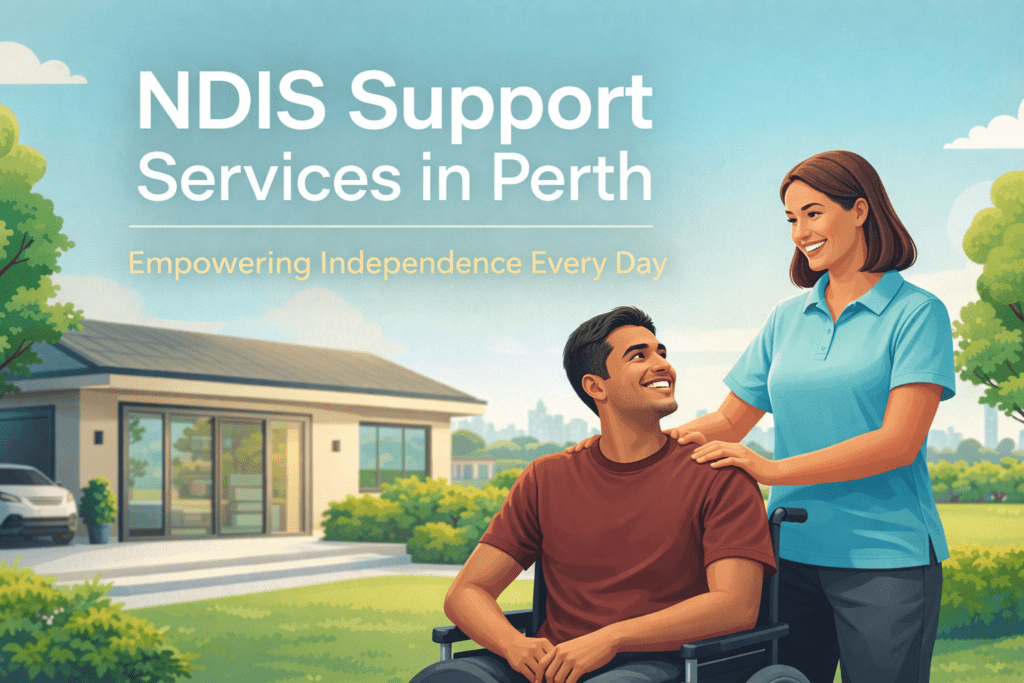
NDIS support worker assisting a participant in a wheelchair at home in Perth, promoting independence and daily living support
NDIS and Support Services

NDIS Support Services in Perth: Your Guide to Quality Disability Support

Finding reliable NDIS Support Services in Perth can make a life-changing difference for individuals living with disabilities and their families. The right support provider not only assists with daily activities but also empowers participants to live independently, build confidence, and actively engage in the community. At Inclusion Supports Australia, we are committed to delivering personalised, high-quality disability services across Australia, Perth and the City of Gosnells. Our goal is simple—to help you achieve greater independence and improve your overall quality of life. What Are NDIS Support Services? The National Disability Insurance Scheme (NDIS) is an Australian government initiative that provides funding to eligible individuals with permanent and significant disabilities. NDIS support services are designed to help participants: Develop life skills Increase independence Access community and social activities Improve health and wellbeing These services are flexible and tailored to each participant’s goals, ensuring that support is meaningful and effective. Who Can Access NDIS Support in Perth? To access NDIS support services in Perth, individuals must meet certain eligibility criteria. Generally, you may qualify if you: Are under 65 years of age Are an Australian citizen, permanent resident, or hold a Protected Special Category Visa Have a permanent and significant disability that impacts daily life If you are unsure about your eligibility, our team at Inclusion Supports Australia can guide you through the process and help you understand your options. Why Choose NDIS Support Services in Perth? Choosing a local NDIS provider in Perth offers several advantages: Local Knowledge and Community Connections Local providers understand the Perth community, available services, and support networks. This ensures better coordination and access to relevant resources. Personalised Face-to-Face Support Working with a Perth-based provider allows for in-person consultations, building trust and stronger relationships. Faster Response Times Local teams can respond quickly to your needs, providing timely and reliable support. Understanding of Local Needs Providers familiar with areas like the City of Gosnells can offer more tailored and culturally appropriate services. Our NDIS Services at Inclusion Supports Australia We provide a comprehensive range of NDIS support services in Perth, designed to meet individual needs and goals. Personal Care and Daily Living Support We assist participants with essential daily activities, including: Showering and grooming Dressing and hygiene Meal preparation and nutrition Our support workers ensure dignity, comfort, and respect in all aspects of care. Community Participation Staying socially active is important for mental and emotional wellbeing. We support participants in: Attending social events Joining community programs Building confidence and friendships This helps individuals feel more connected and engaged. Supported Independent Living (SIL) Our Supported Independent Living services help participants live as independently as possible. This includes: Household management Developing routines Building essential life skills We focus on empowering participants to take control of their daily lives. Transport Assistance Reliable transport is essential for independence. We assist with: Medical appointments Shopping and errands Community outings Our goal is to make travel safe, convenient, and stress-free. How to Choose the Right NDIS Provider in Perth Selecting the right provider is an important decision. Here are key factors to consider: Experience and Qualifications Choose a provider with trained and experienced support workers who understand NDIS requirements. Personalised Approach Your provider should offer tailored services based on your goals, not a one-size-fits-all solution. Flexibility Look for providers who can adapt services as your needs change over time. Communication and Support A good provider listens, communicates clearly, and keeps you involved in decision-making. Inclusion Supports Australia focuses on all these aspects, ensuring participants receive high-quality and reliable care. NDIS Services in City of Gosnells and Surrounding Areas Inclusion Supports Australia proudly serves participants across Australia and city of Gosnells specifically: City of Gosnells Maddington Kenwick Thornlie Surrounding Perth suburbs Our local presence allows us to provide responsive and community-focused support tailored to your environment. Benefits of Choosing Inclusion Supports Australia Choosing the right provider can significantly impact your NDIS journey. Here’s what sets us apart: Dedicated and compassionate support workers Tailored support plans aligned with your goals Flexible service delivery options Strong focus on independence and empowerment Local expertise in Perth and WA communities We are committed to helping participants achieve meaningful and lasting outcomes. How to Get Started with NDIS Support Services Starting your journey with Inclusion Supports Australia is simple: Contact our team to discuss your needs Book a consultation Develop a personalised support plan Begin receiving tailored services You can visit our Contact Us page to speak with our team or complete our Referral Form to get started quickly.

NDIS Support Services
NDIS and Support Services

Comprehensive Health & Daily Living Support with NDIS – Empowering Australians to Thrive

Living with a disability should never stop someone from enjoying a meaningful, healthy and independent life. Under the National Disability Insurance Scheme (NDIS), assistance with daily living is a core support category that funds help or supervision of personal tasks such as showering, dressing, cooking and cleaning so participants can live as independently as possible. Supported Independent Living (SIL) funds help or supervision with daily tasks at home and is commonly used in shared living arrangements. In March 2026 the scheme is evolving further – the NDIA will introduce new framework planning, a strengths‑based approach that aims to produce fairer, more flexible budgets and simpler plans. Participants will go through support needs assessments, where trained assessors talk with them about their daily lives and identify the supports they need. In this post we explain how Inclusion Supports, a Perth‑based NDIS registered provider serving the whole of Australia, delivers tailored health and daily living support. We outline the NDIS services offered and show why they are ideally placed to help participants prepare for the upcoming planning changes. What Is Health & Daily Living Support under the NDIS? Assistance with Daily Life – This core support category funds assistance or supervision with personal tasks (self‑care, meal preparation, household chores, hygiene and more) so you can live as independently as possible. Supports can be delivered in your own home or in community settings. Home Modifications – Changes to the structure or fittings of your home to ensure accessibility and safety. The NDIS may also fund personal care to help with showering or dressing, and assistance with meal preparation and cleaning. Supported Independent Living (SIL) – Paid personal supports, usually in a shared living arrangement, where a support worker helps with daily tasks such as cooking and personal care. The goal is to build skills and independence. Why Choose Inclusion Supports? Person‑Centred Care and Expertise Inclusion Supports positions itself as a compassionate NDIS provider in Australia. Their website emphasises person‑centred care, celebrating diversity and working with individuals and families to access tailored disability support services. Our organisation is led by experienced professionals who help participants navigate the NDIS and make informed choices. Our team brings a person‑first approach to every interaction; they unpack your plan, explain your funding and connect you with the right services at the right time. Comprehensive Suite of NDIS Supports Inclusion Supports offers four key service streams: Daily Living Skills & In‑Home Support The Daily Living Skills and In‑Home Support Program is designed to empower participants to take charge of everyday tasks. The program helps build confidence and independence through practical support with cooking, cleaning, managing routines, hygiene and budgeting. Support workers provide compassionate, hands‑on guidance at a pace that suits you. Learning takes place in a safe, familiar environment and plans are tailored to each person’s needs and lifestyle. The program also emphasises building confidence through everyday skills, where experienced staff encourage and nurture independence so that learning feels natural and achievable. Support Coordination (Level 2 & 3) Navigating the NDIS can be overwhelming. Inclusion Supports provides Level 2 and Level 3 support coordination, helping you understand your funding, unpack your plan and connect with suitable services. Their coordinators proactively monitor services and advocate for participants’ needs, ensuring the plan stays flexible and responsive as circumstances evolve. The service focuses on capacity building, fostering independence and empowering you to feel in control of your future. Social & Community Participation Meaningful community involvement is at the heart of a fulfilling life. Inclusion Supports helps participants connect with others, explore interests and develop confidence through tailored experiences such as joining local groups, attending community events, learning new hobbies or volunteering. Their Social and Community Participation program takes a flexible, person‑centred approach so your goals and interests shape your experience. The organisation emphasises connecting participants to community, confidence and new possibilities by providing guidance and resources, building social skills and promoting relationships. Supported Independent Living (SIL) Inclusion Supports designs Supported Independent Living arrangements that allow participants to live in a home that matches their needs and preferences. The program provides the right level of care and supervision, whether in a shared arrangement or a person’s own home. The focus is on creating a comfortable, secure and empowering environment that helps you build skills and live as independently as possible. The team takes compatibility seriously; they consider personalities, routines and support needs when matching housemates and provide 24/7 support when required. Their goal is not just accommodation but helping you thrive in a space that feels truly yours. Preparing for the NDIS Planning Changes in 2026 A significant change is coming to the NDIS. From mid‑2026 the scheme will introduce new framework planning, a more consistent and fairer process that emphasises a person’s support needs rather than functional impairment. This new approach will use a person‑centred, strengths‑based method to create fairer budgets and reduce the need for expensive reports. Participants will go through support needs assessments, where a trained assessor meets with them to discuss their daily life and identify what types of support are required. The assessment will inform flexible budgets in the participant’s new NDIS plan. How Inclusion Supports Can Help: Interpreting New Planning Rules: The organisation keeps up to date with NDIS reforms and can explain how the new framework planning might affect your funding and services. By proactively aligning your support plan with upcoming changes, you can be ready to transition smoothly. Supporting Your Needs Assessment: Support coordinators can help gather information, prepare for conversations with assessors and ensure your unique needs and goals are clearly articulated. Adapting Services: Inclusion Supports offers flexible, responsive programs that can adjust to the new budgeting structure, ensuring you continue receiving high‑quality support. Steps to Access Health & Daily Living Support in Perth and across Australia Check your eligibility – Make sure you have an approved NDIS plan that includes core supports for assistance with daily life or home and living supports. Contact Inclusion Supports – Visit their website or call to discuss your goals and support needs. Their team will listen and recommend the best

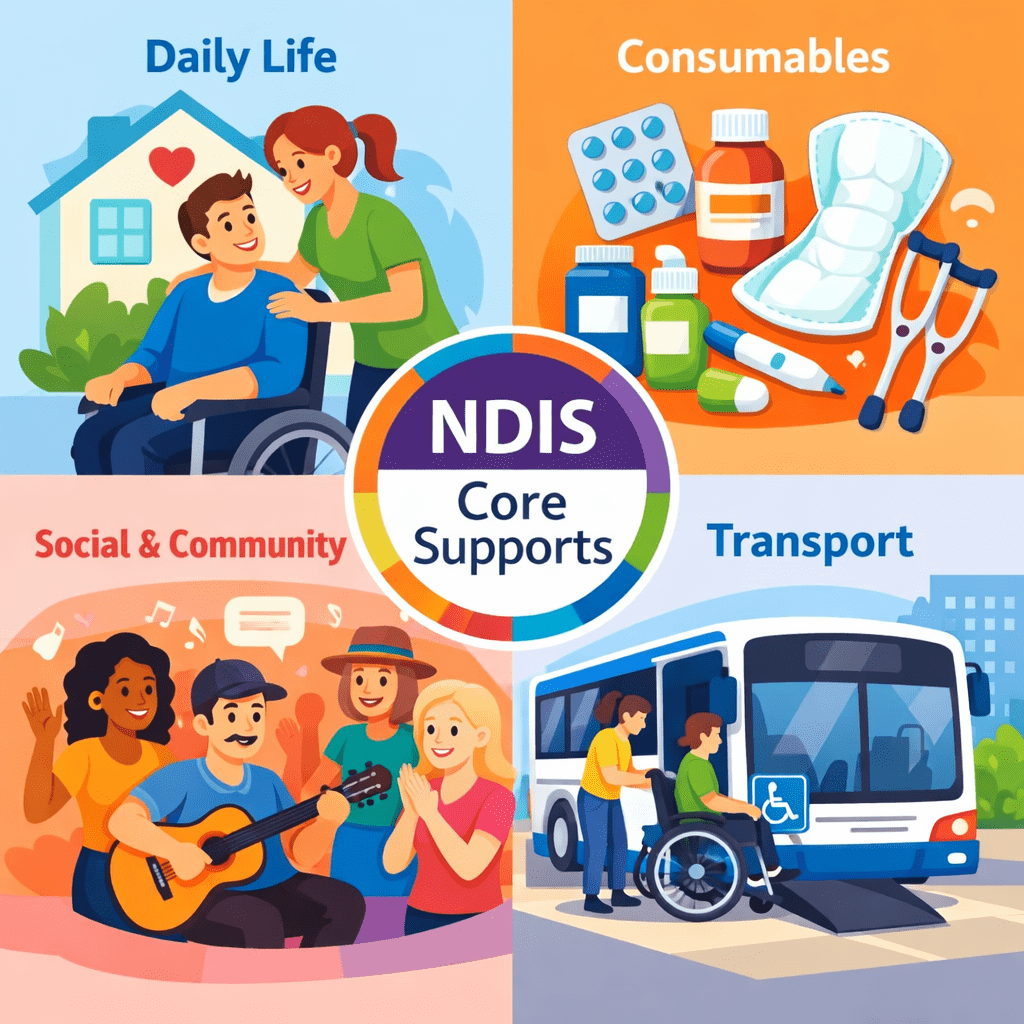
Infographic illustrating NDIS Core Supports categories: assistance with daily life, consumables, social and community participation, and transport.
Health Care, NDIS and Support Services

Understanding NDIS Core Supports Australia

Navigating the National Disability Insurance Scheme (NDIS) can feel overwhelming, especially when you’re trying to make sense of different budgets and funding categories. One of the most important parts of your NDIS plan is the Core Supports budget. Understanding how this budget works can help you get more value out of your plan and improve your daily life. What are Core Supports? Core Supports are one of three funding categories in an NDIS plan (the other two are Capacity Building and Capital Supports). They are designed to help you with everyday activities, current disability‑related needs and to work towards your goals. Unlike other budgets, Core Supports are flexible — you can usually move funds within the Core budget between different support types as your needs change. Core Supports usually fall into four categories: Core support category Purpose Typical examples Assistance with Daily Life Help with personal and household tasks so you can live independently. Personal care (showering, grooming), meal prep, cleaning, yard maintenance. Consumables Funding for everyday items you need because of your disability. Continence products, low‑cost assistive technology, wound‑care supplies. Assistance with Social & Community Participation Support to engage in community, social or recreational activities. Support worker to go to events, community access programs, help joining clubs. Transport Funding to help you travel to places that support your goals. Travel to work, education, appointments, or social activities. 1. Assistance with Daily Life This category covers support with personal tasks such as showering, dressing, grooming and feeding. It also covers household chores like cleaning, laundry, grocery shopping, meal preparation and yard work. For some participants it includes Supported Independent Living (SIL), drop‑in support or overnight care to help you stay in your own home. The aim is to support independence and reduce reliance on family carers. 2. Consumables Consumables funding lets you buy everyday items that relate to your disability. Examples include continence products, catheters, feeding supplies, low‑cost assistive technology (like adaptive cutlery or non‑slip mats) and wound‑care supplies. These are things you use regularly to maintain your health and independence. 3. Assistance with Social & Community Participation Participating in the community is crucial for wellbeing. This category funds support workers and programs that help you attend social, economic or recreational activities. It might include help to attend local clubs, classes, events, volunteering or work experience. The goal is to build confidence, skills and connection. 4. Transport Transport supports help you get to work, school, appointments or community activities when you can’t use public transport because of your disability. The funding amount is tailored to your circumstances. A Local Area Coordinator (LAC) can explain how you can use your transport budget. Flexibility within Core Supports One of the best features of Core Supports is flexibility. In most cases you can move funds between the four categories to meet your immediate needs. For instance, if you need more support at home but less transport funding, you may be able to reallocate within your Core budget. However, transport funding often comes with specific rules about how it can be used, so it’s important to check with your LAC or plan manager. Core vs. Capacity Building vs. Capital Supports To make the most of your NDIS plan, it helps to understand the difference between the three budgets: Core Supports – assist with day‑to‑day needs and participation; most flexible budget. Capacity Building Supports – fund skill‑building supports such as therapies, training, support coordination and employment supports. This budget is not transferable between categories. Capital Supports – pay for high‑cost items like assistive technology, vehicle or home modifications. Funds can only be used for their approved purpose. Understanding these differences will help you plan and advocate for the right mix of supports. How Inclusion Support Services Can Help At Inclusion Support Services, we specialise in delivering personalised supports to NDIS participants across the City of Gosnells and throughout Australia. Our experienced team can assist with all four Core Supports categories and help you use your funding effectively. We offer: Personalised in‑home support: help with personal care, meal prep, household chores and building daily living skills. Community participation: support to attend local events, classes and social activities, helping you feel connected and engaged. Consumables guidance: advice on sourcing and ordering assistive technology and essential supplies. Transport support: assistance with transport coordination and travel training, ensuring you can get to work, study or appointments. Why Choose Us? Local expertise: We understand the unique needs of people in the City of Gosnells and surrounding areas. Nationwide reach: We also support participants across Australia, with a network of staff and partners who know the NDIS inside out. Flexible services: Our supports are tailored to your goals and can change as your needs change. Experienced team: Our support workers and coordinators are trained, compassionate professionals. Ready to Make the Most of Your Core Supports? If you’d like to understand your Core Supports budget or need help implementing your NDIS plan, we’re here to help. Contact our friendly team to discuss your needs, learn more about our services or request a referral. 📞 Phone: (08) 6157 0990 📧 Email: info@inclusionsupports.com.au 🌐 Website: www.inclusionsupports.com.au 📍 Service area: City of Gosnells and across Australia Useful Links NDIS support budgets and Core Supports guide – official information on support budgets and flexibility. Understanding NDIS support categories – clear explanations and examples of each Core Supports category. NDIS price guide & budget planner – detailed article about Core Supports rules, examples and budget planning. By understanding and using your NDIS Core Supports wisely, you can live more independently, participate in your community and move closer to your goals. Inclusion Support Services is here to help you every step of the way.

NDIS employment support
Employment, NDIS and Support Services

NDIS Employment Support Pathways: Empowering Inclusive Careers in the City of Gosnells

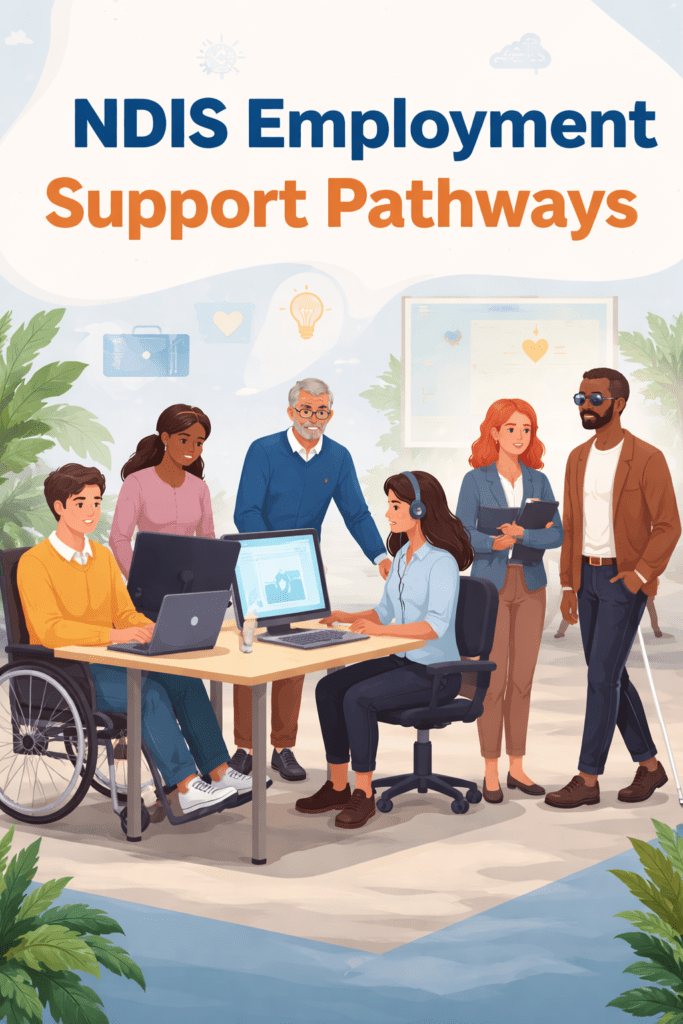
Employment is more than a paycheck – it provides purpose, connection and independence. For people living with disability, finding work can be complex. That’s why the National Disability Insurance Scheme (NDIS) funds support pathways to help participants prepare for, find and keep jobs. As Inclusion Support Australia, we are proud to deliver these services across every suburb of the City of Gosnells — including Thornlie, Canning Vale, Beckenham, Kenwick, Huntingdale, Maddington, Langford, Southern River and many more. In this blog we explain how NDIS employment supports work, highlight the latest reforms, and show how we partner with participants to build inclusive careers. We also draw on the City of Gosnells’ commitment to equal employment opportunities, ensuring our local community is truly inclusive. What are NDIS Employment Support Pathways? Capacity Building Employment Assistance The NDIS provides capacity‑building employment assistance to help participants of all ages prepare for and gain sustainable employment. Supports may include: Gaining work experience to complement school education or transitioning from school to further education. Building foundation skills such as time management, communication and independent travel. Developing a career plan, changing jobs or obtaining alternative employment after onset of disability. Connecting participants with Disability Employment Services (DES) providers or other employment services for ongoing workplace support. Providers like Inclusion Support Australia work closely with participants, planning tailored activities to meet individual needs. Supports may include work experience placements, development of vocational skills, job customisation, employer engagement and assisting participants to secure a job that matches their interests. Supports in Employment NDIS participants can use supports in employment funding to receive extra help in the workplace. This funding gives participants choice and control over where and how they work and lets providers assist in various settings such as government agencies, social enterprises, micro‑businesses and family‑run businesses. Pricing arrangements ensure providers claim supports appropriately, dividing group‑based supports equally among participants. School Leaver Employment Supports (SLES) For young people aged 16–22 leaving school, School Leaver Employment Supports (SLES) provide practical assistance during the transition to work or further training. An NDIS‑funded SLES program offers hands‑on support, skill development and real‑world experience. The focus is on individualised pathways – helping participants explore different roles, discover what kind of job suits them and build confidence. SLES participants receive training in communication, time management, resume building and interview practice. They may participate in internships, volunteering or supported job placements. Skills taught include workplace etiquette, travel training, problem‑solving and ongoing employment assistance. To access SLES, participants should discuss their employment goals with their NDIS planner or Local Area Coordinator and ensure SLES is included in their plan. Finding and Keeping a Job & Customised Employment Beyond SLES, the NDIS offers Finding and Keeping a Job supports. Funding can cover job coaching, workplace assessments, mentoring and assistive technology. Eligibility typically applies to people aged 15 or over who have employment goals in their plan and need support due to their disability. Some participants may benefit from customised employment – support to find or create a role tailored to their strengths and interests. A provider can help identify skills, set goals, contact inclusive employers and provide on‑the‑job support. National Reforms: NDIS Participant Employment Strategy 2024–26 The NDIA’s Participant Employment Strategy 2024‑2026 outlines priority actions to improve employment outcomes for people with disability. Key focus areas include: Quality Planning – building staff capability, improving planning systems and focusing on early intervention for young people aged 14–25. The aim is to give participants more opportunities to talk about work and ensure they have real choice and control over where they work. Efficient and Effective Supports – improving provider practices, measuring performance and ensuring young people receive age‑appropriate employment supports. Supporting Employers – activating employers, demonstrating success, leading by example and leveraging purchasing power to encourage businesses to hire NDIS participants. Integrated Ecosystem – improving data collection, collaboration and seamless access to supports. The strategy includes measures to track outcomes, such as monitoring the number of participants expressing a desire to work and assessing planning decisions at key transitions like leaving school. These reforms ensure that employment supports remain evidence‑based and focused on inclusive employment. Local Commitment: Employment and Inclusion in the City of Gosnells The City of Gosnells’ Disability Access and Inclusion Plan (DAIP) 2024‑2028 emphasises that people with disability must have the same opportunities as others to obtain and maintain employment. The plan outlines practical strategies: Equal employment opportunities – the City regularly reviews its recruitment policies to ensure they meet Equal Employment Opportunity legislation and encourages people with disability and those from diverse backgrounds to apply. Interview processes remain accessible by inviting applicants to request assistance. Innovative recruitment and retention – the City works with support organisations to provide traineeships and volunteering opportunities for people with disability and invites WA Disability Enterprises to quote or tender for services. It also ensures workplace adjustments (e.g., accessible parking) are made to remove barriers. Monitoring and reporting – progress on DAIP actions is reported in annual reports, and the plan is reviewed every five years. The DAIP reveals there were 2,331 NDIS participants in the City of Gosnells as of 31 March 2022, and 5,987 residents (4.7 % of the population) reported needing help with daily activities due to disability. These numbers illustrate the importance of local services like Inclusion Support Australia that ensure residents can access employment opportunities close to home. Why Work Experience and Skill‑Building Matter Work experience isn’t just a résumé booster; it builds confidence, communication skills and practical abilities that cannot always be learned in a classroom. It also allows participants to explore different roles and uncover their strengths, helping shape meaningful career paths. Real‑world experience improves employability by providing references and demonstrating to employers that participants can succeed. Skills developed through SLES and other employment supports include: Workplace etiquette and expectations – understanding dress codes, punctuality, teamwork and communication. Resume building and interview skills – crafting job‑ready résumés and practising interviews. Travel training and time management – learning to use public transport and plan schedules. Problem‑solving and adaptability – staying calm under pressure and adapting to new roles or routines. Ongoing employment assistance –

community participation and NDIS
Community, Disability, NDIS and Support Services

Community Participation Under the NDIS: Build Confidence, Connections & Independence

Community participation is one of the most meaningful parts of living a fulfilled life — feeling included, staying active, meeting new people, and building confidence in everyday settings. Under the National Disability Insurance Scheme (NDIS), community participation supports are designed to help people with disability take part in social, recreational, educational, and community activities in a way that feels safe, enjoyable, and empowering. At Inclusion Supports Australia, we believe everyone deserves a life full of choice, independence, and connection. Whether you want to join a local class, attend social groups, explore new hobbies, or build daily confidence outside the home, our team is here to support you every step of the way. What is Community Participation Under the NDIS? NDIS community participation refers to funded supports that help participants take part in activities within their community. This can include: Social outings and community events Sport and recreation activities Learning new skills in real-world environments Improving confidence and independence Building friendships and meaningful relationships Developing communication and social skills Supported group activities Community participation can be supported through NDIS funding categories such as: Core Supports (Assistance with Social and Community Participation)Capacity Building Supports (Improved Daily Living / Increased Social and Community Participation)Group and Centre-Based Activities (where applicable) Your plan and goals determine what supports you can access — and we can help you understand what fits best. Why Community Participation Matters for NDIS Participants Community participation is not just “getting out of the house.” It can play a powerful role in improving wellbeing and long-term independence. Many NDIS participants experience increased confidence and emotional wellbeing when they regularly take part in activities that match their interests and strengths. Key benefits of community participation include: 1. Better Mental Health & ConfidenceBeing active in the community helps reduce isolation, anxiety, and low mood. It builds confidence through positive experiences and achievements. 2. Improved Social Skills & CommunicationSocial activities can support conversation skills, emotional regulation, confidence in public spaces, and learning healthy friendships. 3. Increased IndependenceOver time, participants may become more comfortable navigating public spaces, managing routines, and trying activities without fear. 4. Stronger Life SkillsCommunity participation supports can help build practical life skills like budgeting, shopping, travelling safely, asking for help, and making choices. 5. Sense of Belonging and PurposeEveryone deserves to feel included. Joining groups or activities helps participants feel valued, welcomed, and supported. Examples of Community Participation Activities Under the NDIS Community participation should always be person-centred — meaning the activities should match the participant’s goals, comfort level, abilities, and interests. Here are some popular NDIS community participation activities that many participants enjoy: Social & Group Activities Social groups and meet-ups Community BBQs and public events Café outings and friendship building Movie trips and fun day outings Skill-Building Activities Cooking and meal planning support Shopping for groceries and essentials Learning to use public transport Improving time management and routines Health, Fitness & Wellbeing Gentle exercise or walking programs Gym support or swimming sessions Yoga, mindfulness, and wellbeing outings Outdoor activities and parks Learning and Personal Development Libraries and workshops Art classes or craft groups Music activities and community programs Volunteering opportunities  Recreational & Community Fun Beach outings Local markets and festivals Museums, wildlife parks, and family events Sport clubs and hobby meetups At Inclusion Supports Australia, we help you choose activities that feel exciting and comfortable — and we support you in a respectful, friendly way. Who is Community Participation For? NDIS community participation supports may be suitable for: People who feel isolated or want to make friends Participants who want to build confidence in public spaces Individuals working on communication and social skills People who need assistance to attend activities safely Participants who want more independence and routine Individuals who want to explore hobbies, sport, or education Whether you want to try one activity per week or build a regular routine, we tailor the support to you. How Inclusion Supports Australia Helps With Community Participation At Inclusion Supports Australia, we focus on respect, independence, confidence, and real inclusion. We don’t just “take you out” — we work alongside you to build skills, comfort, and enjoyment in real life. Our community participation support may include: Planning activities around your goals and preferences Supporting you during outings and social events Encouraging independence while ensuring safety Helping you build confidence with everyday tasks Supporting communication and positive interactions Transport support (where funded and appropriate) Supporting emotional wellbeing during new experiences We also support participants who feel nervous about new places or social situations. Our approach is gentle and paced — because real progress happens with patience and trust. Community Participation Goals You Can Add to Your NDIS Plan Your NDIS plan goals are important because they connect to the supports you can access. If community participation is something you want more support with, here are some goal examples you may include: “I want to build confidence to attend community activities independently.” “I want to improve my social skills and make friends in my local area.” “I want to participate in weekly group activities to reduce isolation.” “I want to learn travel training and feel confident using transport.” “I want to improve my daily living skills in the community.” Not sure what to write? We can help you prepare for planning meetings and match the right supports to your goals. How to Access Community Participation Funding Through the NDIS To access funded community participation supports, you may need: A clear goal related to independence, social participation, or skills development Evidence that the support will improve wellbeing, capacity, or inclusion A provider who can deliver supports aligned to the plan If you already have funding but don’t know how to use it effectively — don’t worry. Many participants feel the same at first. We can guide you through the best options and help you get started quickly and comfortably. Why Families Choose Inclusion Supports Australia We understand that community participation isn’t “one-size-fits-all.” Some participants love group outings. Others prefer one-on-one support. Some may need confidence-building slowly over time. Families and

NDIS-Down-Syndrome-Child-smiling
NDIS and Support Services

How to Plan NDIS Supports Effectively (Simple Step-by-Step Guide)

Planning your NDIS supports can feel confusing at first — especially when you’re trying to understand budgets, categories, goals, and what you’re actually allowed to use funding for. The good news is: with the right plan, you can build supports that genuinely improve your daily life and help you reach your goals. In this guide, we’ll break down how to plan NDIS supports effectively, what to include, and how to make sure your supports match your lifestyle, needs, and long-term goals. At Inclusion Supports Australia, we help participants across Australia access the right support services with confidence, clarity, and control. Why Effective NDIS Planning Matters The NDIS is designed to give participants more independence, choice, and opportunities — but it only works well when supports are planned properly. Good planning helps you: Use your funding wisely (without wasting it) Reduce stress and avoid last-minute support gaps Build stable routines and improve quality of life Choose the right providers for your needs Get better outcomes in your next plan review Whether you’re new to the scheme or preparing for a plan reassessment, strong planning can make a huge difference. Step 1: Understand Your NDIS Goals (The Foundation of Your Plan) Your NDIS supports should always connect back to your goals. These goals are what guide your funding decisions and support allocations. Examples of strong NDIS goals: ✅ “Improve my daily living skills to become more independent.”✅ “Build my confidence to access the community safely.”✅ “Increase my ability to manage health appointments and routines.”✅ “Find meaningful work or volunteer opportunities.” Tip: If your goals are too general (like “I want to feel better”), it becomes harder to justify supports. Try to make your goals clear and practical. Step 2: Identify Your Daily Support Needs Think about what support would make your life easier across the week. The best way is to break it into areas: Daily living supports may include: Personal care and hygiene support Meal preparation and household tasks Support with routines and medication prompts Community access and social participation Transport assistance for appointments or activities This is where many people benefit from Support Coordination to help map everything properly and prevent confusion. Step 3: Know Your NDIS Budget Categories (In Simple Words) NDIS funding is usually split into three main categories: 1) Core Supports This helps with everyday needs such as: Personal care support Domestic assistance Community participation Transport (if included) 2) Capacity Building Supports This helps build your skills and long-term independence, such as: Support coordination Improved daily living skills Behaviour support Psychology or therapy supports Employment supports 3) Capital Supports This includes bigger items like: Assistive technology (AT) Home modifications Specialist Disability Accommodation (SDA) Understanding your budget categories helps you plan realistically and avoid using funds incorrectly. Step 4: Choose the Right NDIS Providers for Your Support Style Not every provider is the right match — and that’s okay. Your supports should fit your personality, comfort level, culture, and communication style. When choosing NDIS providers, consider: Do they understand your needs and preferences? Are they consistent and reliable? Do they communicate clearly? Are they flexible with timing and routines? Do they respect your privacy and dignity? At Inclusion Supports Australia, we focus on participant-centred care, respectful support workers, and practical solutions that fit real life — not just paperwork. Step 5: Create a Weekly Support Schedule (Plan Before You Spend) One of the smartest ways to plan NDIS supports effectively is to create a weekly schedule. This helps you see how many hours you’ll need and prevents overspending too early. Example weekly schedule: 2× personal care visits 1× domestic assistance session 1× community access outing 1× skill-building session or support coordination check-in This kind of structure also makes your next NDIS plan review much easier, because you’ll have clear evidence of what worked and what needs improvement. Step 6: Track Your Spending and Outcomes You don’t need complicated spreadsheets — but you do need basic tracking to stay in control. Keep a record of: Services used each week/month What is improving and what isn’t Cancelled shifts or gaps in support Provider issues (late arrivals, poor communication) Any new needs (therapy, equipment, behavioural support) Tracking outcomes helps you confidently request more support when needed. Step 7: Prepare Early for Plan Reviews and Reassessments Many participants feel stressed during NDIS reviews because they wait until the last minute. Instead, start planning ahead (at least 6–8 weeks early). For a smoother NDIS reassessment, collect: Progress notes from providers OT or therapy reports (if applicable) Evidence of challenges and barriers A summary of what supports you need going forward With strong evidence, it becomes easier to request the right funding and reduce the chances of funding cuts. Common Mistakes to Avoid When Planning NDIS Supports Here are some common mistakes that can cause stress later: Choosing supports that don’t match your goals Spending too quickly early in the plan period Not tracking progress or outcomes Staying with the wrong provider due to fear of changeNot asking for help from Support Coordination You don’t have to figure everything out alone — support is available. How Inclusion Supports Australia Can Help If you want a stress-free way to plan your NDIS supports and use your funding wisely, we’re here for you. We can support you with: Personal care and daily living support Community participation and social outings Domestic assistance Skill-building and independence support Guidance to understand your plan and services Our approach is respectful, supportive, and tailored to your goals. Final Thoughts: The Best NDIS Plan Is the One That Works in Real Life NDIS support planning is not about creating a perfect plan on paper — it’s about creating real supports that fit your everyday life, values, and goals. When your supports are planned properly, you feel more confident, supported, and in control. If you’d like help planning your supports or finding the right services, Inclusion Supports Australia is ready to support you. Need help planning your NDIS supports? Contact Inclusion Supports Australia today to discuss your needs and

Ndis
NDIS and Support Services

NDIS Personal Care Services: Planning Your Support in Perth & Western Australia

Access to reliable NDIS personal care services is essential for people with disability who want to live safely, independently, and with dignity. For NDIS participants across Perth and Western Australia, personalised daily living support can make a meaningful difference in everyday life. Whether you are new to the NDIS or reviewing your current supports, understanding how to plan and access NDIS personal care services in Perth ensures your plan reflects your real needs, lifestyle, and goals. What Are NDIS Personal Care Services? NDIS personal care services provide hands-on assistance with everyday personal activities that may be difficult due to disability. These supports are commonly delivered in a participant’s home or supported accommodation by trained disability support workers. Personal care services may include: Showering, bathing, and personal hygiene Dressing and grooming Toileting and continence care Mobility assistance and transfers Eating and drinking support Medication prompts (non-clinical) For participants across Perth metro areas and regional WA, these services support independence while respecting privacy, cultural values, and personal preferences. Why NDIS Personal Care Services Are Important in Perth & WA Western Australia’s diverse geography and lifestyle make in-home supports especially valuable. With the right NDIS personal care services in Perth, participants can: Remain living at home rather than moving into residential care Reduce pressure on family and informal carers Maintain physical health and emotional wellbeing Access community, social, and cultural activities Build confidence and independence in daily routines For many participants, personal care is the foundation that enables broader NDIS goals such as employment, education, and community participation. Planning Your NDIS Personal Care Services 1. Understand Your Daily Living Needs Before your NDIS planning or review meeting, take note of: Which personal tasks you need help with How often you need support (daily, weekly, or occasionally) Whether support is needed at specific times (morning, evening) Clear information helps planners approve appropriate funding under Core Supports – Assistance with Daily Living. 2. Connect Supports to Your NDIS Goals When planning NDIS personal care services, link them directly to your goals, such as: Living independently in your Perth home Improving personal health and wellbeing Reducing reliance on family carers This strengthens the “reasonable and necessary” justification in your plan. 3. Choose the Right Perth-Based NDIS Provider Working with a local NDIS personal care provider in Perth offers key benefits, including: Faster response times Knowledge of local communities and services Consistent support workers Culturally sensitive and participant-focused care Look for providers experienced in delivering NDIS personal care services across Perth and WA. Flexible In-Home Disability Support in Western Australia NDIS personal care services are designed to be flexible and participant-led. Supports can be: Short-term or ongoing Scheduled or on-demand Delivered at home or in supported accommodation Participants maintain choice and control over who supports them, when services are delivered, and how care is provided. Who Is Eligible for NDIS Personal Care Services? You may be eligible for NDIS personal care services in Western Australia if: You are an approved NDIS participant Your disability impacts your ability to manage personal daily tasks The support is considered reasonable and necessary Funding is usually included in Core Supports – Assistance with Daily Living. Getting Started with NDIS Personal Care Services in Perth If you’re unsure how to include personal care supports in your NDIS plan or need help choosing a provider, speaking with a local NDIS service provider can make the process easier. A trusted Perth-based provider will help you: Understand your NDIS funding Match you with suitable support workers Adjust services as your needs change Final Thoughts NDIS personal care services in Perth and Western Australia are about more than daily assistance—they empower people with disability to live with dignity, confidence, and independence. With the right planning and a reliable local provider, personal care supports can significantly improve quality of life and long-term wellbeing. If you are preparing for an NDIS planning meeting or reviewing your supports, now is the time to ensure your personal care needs are fully recognised and supported. For more information, contact us today at Inclusion Supports Australia. For referrals, please fill up the form here and we will get back to you as soon as possible. To know more about Inclusion Supports Australia, please visit this page.

disability services
Disability

Disability Services WA: A Practical Guide for Caregivers

Caring for a person with disability is a meaningful but often challenging role. Whether you are a parent, family member, or informal carer, navigating the world of disability services Australia can feel overwhelming, especially when trying to find the right supports in Western Australia (WA). This guide is designed to help caregivers understand available services, how to access them, and how organisations like Inclusion Supports Australia can support both carers and participants. Understanding Disability Services in Australia Australia’s disability support system is largely structured around the National Disability Insurance Scheme (NDIS). The NDIS provides funding for eligible individuals to access supports that improve independence, social participation, and quality of life. In WA, disability services may include: Support coordination Assistance with daily living Community participation and social support Skill development and capacity building Behaviour support and psychosocial assistance Choosing the right provider within the disability services Australia landscape is crucial, as support quality can significantly impact wellbeing and outcomes. The Role of Caregivers in Disability Support Caregivers play a vital role in advocating, planning, and coordinating services. Often, carers are responsible for: Attending NDIS planning meetings Managing service providers Supporting daily routines Monitoring participant wellbeing Handling paperwork and referrals This responsibility can be emotionally and physically demanding. Accessing reliable disability services Australia providers can reduce pressure on caregivers and ensure participants receive professional, consistent care. Why Local WA Disability Services Matter Western Australia has unique geographic and community needs. Local providers understand: Regional service availability Cultural and community considerations Transport and accessibility challenges Local health and allied services At Inclusion Supports Australia, services are delivered with a strong understanding of WA communities, ensuring participants receive personalised and culturally respectful support. How Inclusion Supports Australia Helps Inclusion Supports Australia works closely with participants and caregivers to provide tailored, person-centred support. Their approach focuses on: Empowering participants to build independence Supporting caregivers through clear communication Creating structured, goal-focused support plans Encouraging social inclusion and community connection Whether you are new to the NDIS or seeking to change providers, having a trusted partner makes navigating disability services Australia far easier. Making a Referral: A Simple First Step If you believe someone could benefit from support, the referral process is often the best place to start. Referrals can be made by caregivers, family members, support coordinators, or allied health professionals. Inclusion Supports Australia offers a straightforward Referral process designed to minimise stress and confusion. Early referrals can help prevent service gaps and ensure timely support for participants. Visit the Referral page to begin the process and connect someone with appropriate disability supports. When to Contact a Support Provider You should reach out to a disability service provider if: You are unsure what supports are available A participant’s needs have changed Current supports are not meeting expectations You need guidance with NDIS planning or reviews The team at Inclusion Supports Australia is available to answer questions, provide guidance, and help caregivers feel confident in their decisions. Visit the Contact Us page to speak with the team and discuss your situation. Supporting Caregivers Matters Too Caregivers often prioritise others and neglect their own wellbeing. Quality disability services Australia providers recognise that supporting caregivers is essential for sustainable care. Clear communication, reliable services, and collaborative planning can significantly reduce carer burnout. Final Thoughts Navigating disability services in WA doesn’t have to be overwhelming. With the right information and support, caregivers can feel empowered and confident in their role. Inclusion Supports Australia is committed to providing compassionate, reliable, and locally informed disability services Australia residents can trust. If you are seeking guidance, support, or want to make a referral, don’t hesitate to reach out help is just one step away.

Scroll to Top