

WA NDIS Support

NDIS Support Services
NDIS and Support Services

Comprehensive Health & Daily Living Support with NDIS – Empowering Australians to Thrive

Living with a disability should never stop someone from enjoying a meaningful, healthy and independent life. Under the National Disability Insurance Scheme (NDIS), assistance with daily living is a core support category that funds help or supervision of personal tasks such as showering, dressing, cooking and cleaning so participants can live as independently as possible. Supported Independent Living (SIL) funds help or supervision with daily tasks at home and is commonly used in shared living arrangements. In March 2026 the scheme is evolving further – the NDIA will introduce new framework planning, a strengths‑based approach that aims to produce fairer, more flexible budgets and simpler plans. Participants will go through support needs assessments, where trained assessors talk with them about their daily lives and identify the supports they need. In this post we explain how Inclusion Supports, a Perth‑based NDIS registered provider serving the whole of Australia, delivers tailored health and daily living support. We outline the NDIS services offered and show why they are ideally placed to help participants prepare for the upcoming planning changes. What Is Health & Daily Living Support under the NDIS? Assistance with Daily Life – This core support category funds assistance or supervision with personal tasks (self‑care, meal preparation, household chores, hygiene and more) so you can live as independently as possible. Supports can be delivered in your own home or in community settings. Home Modifications – Changes to the structure or fittings of your home to ensure accessibility and safety. The NDIS may also fund personal care to help with showering or dressing, and assistance with meal preparation and cleaning. Supported Independent Living (SIL) – Paid personal supports, usually in a shared living arrangement, where a support worker helps with daily tasks such as cooking and personal care. The goal is to build skills and independence. Why Choose Inclusion Supports? Person‑Centred Care and Expertise Inclusion Supports positions itself as a compassionate NDIS provider in Australia. Their website emphasises person‑centred care, celebrating diversity and working with individuals and families to access tailored disability support services. Our organisation is led by experienced professionals who help participants navigate the NDIS and make informed choices. Our team brings a person‑first approach to every interaction; they unpack your plan, explain your funding and connect you with the right services at the right time. Comprehensive Suite of NDIS Supports Inclusion Supports offers four key service streams: Daily Living Skills & In‑Home Support The Daily Living Skills and In‑Home Support Program is designed to empower participants to take charge of everyday tasks. The program helps build confidence and independence through practical support with cooking, cleaning, managing routines, hygiene and budgeting. Support workers provide compassionate, hands‑on guidance at a pace that suits you. Learning takes place in a safe, familiar environment and plans are tailored to each person’s needs and lifestyle. The program also emphasises building confidence through everyday skills, where experienced staff encourage and nurture independence so that learning feels natural and achievable. Support Coordination (Level 2 & 3) Navigating the NDIS can be overwhelming. Inclusion Supports provides Level 2 and Level 3 support coordination, helping you understand your funding, unpack your plan and connect with suitable services. Their coordinators proactively monitor services and advocate for participants’ needs, ensuring the plan stays flexible and responsive as circumstances evolve. The service focuses on capacity building, fostering independence and empowering you to feel in control of your future. Social & Community Participation Meaningful community involvement is at the heart of a fulfilling life. Inclusion Supports helps participants connect with others, explore interests and develop confidence through tailored experiences such as joining local groups, attending community events, learning new hobbies or volunteering. Their Social and Community Participation program takes a flexible, person‑centred approach so your goals and interests shape your experience. The organisation emphasises connecting participants to community, confidence and new possibilities by providing guidance and resources, building social skills and promoting relationships. Supported Independent Living (SIL) Inclusion Supports designs Supported Independent Living arrangements that allow participants to live in a home that matches their needs and preferences. The program provides the right level of care and supervision, whether in a shared arrangement or a person’s own home. The focus is on creating a comfortable, secure and empowering environment that helps you build skills and live as independently as possible. The team takes compatibility seriously; they consider personalities, routines and support needs when matching housemates and provide 24/7 support when required. Their goal is not just accommodation but helping you thrive in a space that feels truly yours. Preparing for the NDIS Planning Changes in 2026 A significant change is coming to the NDIS. From mid‑2026 the scheme will introduce new framework planning, a more consistent and fairer process that emphasises a person’s support needs rather than functional impairment. This new approach will use a person‑centred, strengths‑based method to create fairer budgets and reduce the need for expensive reports. Participants will go through support needs assessments, where a trained assessor meets with them to discuss their daily life and identify what types of support are required. The assessment will inform flexible budgets in the participant’s new NDIS plan. How Inclusion Supports Can Help: Interpreting New Planning Rules: The organisation keeps up to date with NDIS reforms and can explain how the new framework planning might affect your funding and services. By proactively aligning your support plan with upcoming changes, you can be ready to transition smoothly. Supporting Your Needs Assessment: Support coordinators can help gather information, prepare for conversations with assessors and ensure your unique needs and goals are clearly articulated. Adapting Services: Inclusion Supports offers flexible, responsive programs that can adjust to the new budgeting structure, ensuring you continue receiving high‑quality support. Steps to Access Health & Daily Living Support in Perth and across Australia Check your eligibility – Make sure you have an approved NDIS plan that includes core supports for assistance with daily life or home and living supports. Contact Inclusion Supports – Visit their website or call to discuss your goals and support needs. Their team will listen and recommend the best
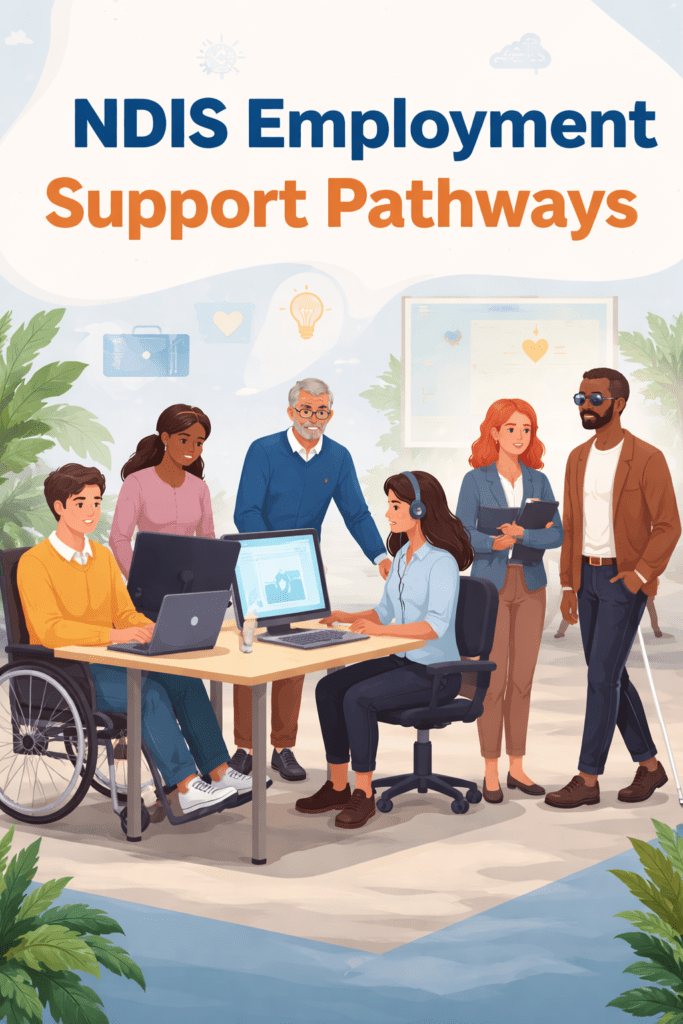
NDIS employment support
Employment, NDIS and Support Services

NDIS Employment Support Pathways: Empowering Inclusive Careers in the City of Gosnells

Employment is more than a paycheck – it provides purpose, connection and independence. For people living with disability, finding work can be complex. That’s why the National Disability Insurance Scheme (NDIS) funds support pathways to help participants prepare for, find and keep jobs. As Inclusion Support Australia, we are proud to deliver these services across every suburb of the City of Gosnells — including Thornlie, Canning Vale, Beckenham, Kenwick, Huntingdale, Maddington, Langford, Southern River and many more. In this blog we explain how NDIS employment supports work, highlight the latest reforms, and show how we partner with participants to build inclusive careers. We also draw on the City of Gosnells’ commitment to equal employment opportunities, ensuring our local community is truly inclusive. What are NDIS Employment Support Pathways? Capacity Building Employment Assistance The NDIS provides capacity‑building employment assistance to help participants of all ages prepare for and gain sustainable employment. Supports may include: Gaining work experience to complement school education or transitioning from school to further education. Building foundation skills such as time management, communication and independent travel. Developing a career plan, changing jobs or obtaining alternative employment after onset of disability. Connecting participants with Disability Employment Services (DES) providers or other employment services for ongoing workplace support. Providers like Inclusion Support Australia work closely with participants, planning tailored activities to meet individual needs. Supports may include work experience placements, development of vocational skills, job customisation, employer engagement and assisting participants to secure a job that matches their interests. Supports in Employment NDIS participants can use supports in employment funding to receive extra help in the workplace. This funding gives participants choice and control over where and how they work and lets providers assist in various settings such as government agencies, social enterprises, micro‑businesses and family‑run businesses. Pricing arrangements ensure providers claim supports appropriately, dividing group‑based supports equally among participants. School Leaver Employment Supports (SLES) For young people aged 16–22 leaving school, School Leaver Employment Supports (SLES) provide practical assistance during the transition to work or further training. An NDIS‑funded SLES program offers hands‑on support, skill development and real‑world experience. The focus is on individualised pathways – helping participants explore different roles, discover what kind of job suits them and build confidence. SLES participants receive training in communication, time management, resume building and interview practice. They may participate in internships, volunteering or supported job placements. Skills taught include workplace etiquette, travel training, problem‑solving and ongoing employment assistance. To access SLES, participants should discuss their employment goals with their NDIS planner or Local Area Coordinator and ensure SLES is included in their plan. Finding and Keeping a Job & Customised Employment Beyond SLES, the NDIS offers Finding and Keeping a Job supports. Funding can cover job coaching, workplace assessments, mentoring and assistive technology. Eligibility typically applies to people aged 15 or over who have employment goals in their plan and need support due to their disability. Some participants may benefit from customised employment – support to find or create a role tailored to their strengths and interests. A provider can help identify skills, set goals, contact inclusive employers and provide on‑the‑job support. National Reforms: NDIS Participant Employment Strategy 2024–26 The NDIA’s Participant Employment Strategy 2024‑2026 outlines priority actions to improve employment outcomes for people with disability. Key focus areas include: Quality Planning – building staff capability, improving planning systems and focusing on early intervention for young people aged 14–25. The aim is to give participants more opportunities to talk about work and ensure they have real choice and control over where they work. Efficient and Effective Supports – improving provider practices, measuring performance and ensuring young people receive age‑appropriate employment supports. Supporting Employers – activating employers, demonstrating success, leading by example and leveraging purchasing power to encourage businesses to hire NDIS participants. Integrated Ecosystem – improving data collection, collaboration and seamless access to supports. The strategy includes measures to track outcomes, such as monitoring the number of participants expressing a desire to work and assessing planning decisions at key transitions like leaving school. These reforms ensure that employment supports remain evidence‑based and focused on inclusive employment. Local Commitment: Employment and Inclusion in the City of Gosnells The City of Gosnells’ Disability Access and Inclusion Plan (DAIP) 2024‑2028 emphasises that people with disability must have the same opportunities as others to obtain and maintain employment. The plan outlines practical strategies: Equal employment opportunities – the City regularly reviews its recruitment policies to ensure they meet Equal Employment Opportunity legislation and encourages people with disability and those from diverse backgrounds to apply. Interview processes remain accessible by inviting applicants to request assistance. Innovative recruitment and retention – the City works with support organisations to provide traineeships and volunteering opportunities for people with disability and invites WA Disability Enterprises to quote or tender for services. It also ensures workplace adjustments (e.g., accessible parking) are made to remove barriers. Monitoring and reporting – progress on DAIP actions is reported in annual reports, and the plan is reviewed every five years. The DAIP reveals there were 2,331 NDIS participants in the City of Gosnells as of 31 March 2022, and 5,987 residents (4.7 % of the population) reported needing help with daily activities due to disability. These numbers illustrate the importance of local services like Inclusion Support Australia that ensure residents can access employment opportunities close to home. Why Work Experience and Skill‑Building Matter Work experience isn’t just a résumé booster; it builds confidence, communication skills and practical abilities that cannot always be learned in a classroom. It also allows participants to explore different roles and uncover their strengths, helping shape meaningful career paths. Real‑world experience improves employability by providing references and demonstrating to employers that participants can succeed. Skills developed through SLES and other employment supports include: Workplace etiquette and expectations – understanding dress codes, punctuality, teamwork and communication. Resume building and interview skills – crafting job‑ready résumés and practising interviews. Travel training and time management – learning to use public transport and plan schedules. Problem‑solving and adaptability – staying calm under pressure and adapting to new roles or routines. Ongoing employment assistance –

in-home NDIS support
Community, NDIS and Support Services

In-Home Care NDIS Perth: What to Expect

For many people living with a disability, receiving quality care in the comfort of their own home can make all the difference. In-home care services through the NDIS (National Disability Insurance Scheme) empower participants to live more independently while receiving tailored support. If you live in Perth and are exploring In-Home Care NDIS Perth options, this guide explains everything you can expect—from services offered to how to get started. Understanding In-Home Care Under the NDIS In-home care refers to personalised support provided in your own home by trained support workers. These services are designed to help you with daily activities, maintain your independence, and improve your quality of life. Under the NDIS, in-home care can cover a range of supports depending on your needs and goals. These may include: Personal care (showering, dressing, grooming) Household tasks (cleaning, laundry, meal preparation) Community participation (shopping, attending appointments, or social outings) Respite care for family members Overnight or 24-hour care for complex needs If you have an approved NDIS plan that includes Core Supports, you can use part of your funding for in-home assistance. Why In-Home Care Is Important Living at home promotes a sense of comfort, stability, and familiarity—especially for people managing disabilities or chronic conditions. Instead of adjusting to a facility’s routines, you receive care that adapts to your lifestyle. Moreover, in-home care provides emotional benefits. Many participants report feeling more confident and independent when they have control over their environment. With a dedicated support team, daily routines become manageable, and social isolation can be reduced. In-Home Care NDIS Perth: What You Can Expect When choosing an NDIS-registered provider in Perth, like Inclusion Supports Australia, you can expect professional, person-centred, and culturally sensitive support tailored to your needs. Here’s what the process usually looks like: 1. Initial Consultation and Needs Assessment Your NDIS journey starts with understanding your personal goals and needs. During your first consultation, your chosen provider will discuss your daily challenges, preferences, and health requirements. At Inclusion Supports Australia, this meeting helps build a tailored care plan that aligns with your NDIS funding categories. 2. Creating a Personalised Support Plan Every participant’s needs are unique, which is why your in-home care plan will be fully customised. The plan may include: Morning and evening routines Domestic assistance schedule Medication support Meal planning and preparation Mobility assistance and transfers Social and recreational activities Your plan is flexible and can be adjusted as your circumstances change. 3. Qualified and Compassionate Support Workers One of the biggest advantages of choosing a trusted provider is having trained professionals who genuinely care. NDIS support workers in Perth are required to hold relevant qualifications, first aid training, and undergo background checks. At Inclusion Supports Australia, support workers are matched based on skills and personality compatibility, ensuring comfort and trust between you and your carer. 4. Safety and Quality Assurance Safety is always a top priority in in-home care. Providers adhere to NDIS Practice Standards and Quality Indicators. These include protocols for incident reporting, infection control, and client privacy. You can learn more about quality and safeguarding standards on the official NDIS Quality and Safeguards Commission website. 5. Ongoing Monitoring and Review Your care plan isn’t static—it evolves with you. Regular reviews help ensure your supports remain effective and aligned with your goals. Participants are encouraged to share feedback, so adjustments can be made quickly if needed. Types of In-Home Care Services in Perth Let’s explore the different in-home supports available under the NDIS: a. Daily Living Assistance These services include personal hygiene, meal preparation, dressing, and mobility help. They’re ideal for participants who want to maintain their independence with a little extra support. b. Household Management A clean and organised home contributes to better mental and physical health. Support workers can assist with light cleaning, vacuuming, laundry, and grocery shopping. c. Overnight or 24-Hour Care For participants with higher support needs, round-the-clock assistance ensures safety and peace of mind for families. d. Respite Care Caring for a loved one is rewarding but can be physically and emotionally demanding. Respite care provides short-term relief for primary caregivers while ensuring the participant receives continuous support. e. Community Participation Support workers can accompany you to community events, recreational activities, or educational programs—helping you stay socially connected. Choosing the Right NDIS In-Home Care Provider in Perth Selecting the right provider is essential for achieving your goals. Here are some key factors to consider: NDIS Registration: Always choose an NDIS-registered provider like Inclusion Supports Australia to ensure you receive safe, approved services. Experience: Look for providers experienced in supporting people with similar needs to yours. Transparency: Your provider should clearly explain service costs and inclusions before you commit. Cultural Sensitivity: Choose a team that respects your background, culture, and personal preferences. Flexibility: Needs change over time; your provider should adapt easily to new requirements. How to Access In-Home Care NDIS Services in Perth Getting started is simpler than you might think: Check Your NDIS Eligibility: Visit the NDIS website to confirm your eligibility. Develop Your NDIS Plan: Once approved, you’ll meet with a planner to outline your goals and funding categories. Choose a Provider: Search for local registered providers through the NDIS Provider Finder. Book a Consultation: Contact Inclusion Supports Australia to discuss your care requirements and book a free consultation. Start Receiving Support: After your care plan is finalised, your support workers will begin providing in-home care according to your preferences and schedule. Benefits of Choosing Inclusion Supports Australia Inclusion Supports Australia is a dedicated NDIS provider based in Western Australia. They focus on delivering compassionate, inclusive, and person-centred services that make everyday living easier. Here’s what makes them stand out: Tailored care plans built around your goals Friendly and skilled support workers Commitment to inclusion, diversity, and respect Reliable communication and transparent pricing Coverage across Perth and surrounding areas You can learn more or submit a referral through their Referral Page. Tips for Making the Most of Your In-Home Care Services To get the best out of

NDIS and Support Services

NDIS Support Coordination: Step-by-Step Guide

Navigating the National Disability Insurance Scheme (NDIS) can feel overwhelming, especially when trying to understand how to make the most of your plan. That’s where NDIS support coordination comes in. At Inclusion Supports Australia, we specialise in helping participants build the skills and confidence they need to manage their plans effectively. This guide will walk you through NDIS support coordination step by step—so you can better understand how it works, what to expect, and how it can help you achieve your goals. What Is NDIS Support Coordination? NDIS support coordination is a funded service under the NDIS designed to help participants: Understand their plan Connect with providers and community services Build skills to manage their own supports Make the most of their funding Unlike plan management, which looks after the financial side of your NDIS plan, support coordination focuses on building capacity, independence, and choice. At Inclusion Supports Australia, our team works alongside you to ensure your supports are tailored to your needs and align with your goals. Types of NDIS Support Coordination There are three levels of NDIS support coordination: Support Connection Helps participants start using their plan Connects with service providers and community supports Focuses on building confidence Support Coordination Assists with ongoing management of supports Helps troubleshoot issues with providers Builds skills to coordinate supports independently Specialist Support Coordination Designed for participants with complex needs Involves intensive support from highly skilled professionals Works through barriers to accessing services Explore our Services page to see a comprehensive view of what we provide. Step-by-Step Guide to NDIS Support Coordination Step 1: Understand Your Plan The first step is reviewing your NDIS plan and funding. Our coordinators explain what each section means and highlight the areas where support coordination is available. Step 2: Identify Your Goals Your goals are the foundation of your NDIS plan. We’ll work with you to identify what matters most—whether it’s gaining independence, finding employment, improving daily living, or connecting socially. Step 3: Build Your Support Network We help you explore service providers, mainstream supports, and community opportunities. This ensures your network isn’t just made up of paid services but also includes natural supports, such as family, friends, and local activities. Step 4: Choose and Connect with Providers Our team will guide you in selecting providers that fit your preferences, values, and goals. This includes negotiating service agreements and ensuring you have clear expectations about the supports you’ll receive. Step 5: Coordinate and Monitor Supports We provide ongoing coordination—checking in regularly to ensure your services are working well together and making adjustments as your needs or goals change. Step 6: Build Independence The ultimate aim of NDIS support coordination is to help you become confident in managing your own supports. Over time, we support you to develop the skills needed to take more control and build long-term independence. Why Choose Inclusion Supports Australia? At Inclusion Supports Australia, we believe in person-centred, strengths-based support. Our approach focuses on: Listening first – understanding your needs and goals before recommending supports Choice and control – ensuring you remain at the centre of decision-making Local connections – linking you with providers and community opportunities in your area Building capacity – helping you develop the skills to manage your plan independently Our experienced team is committed to walking alongside you, every step of the way. How to Get Started If your NDIS plan includes support coordination, you can begin working with us straight away. If not, you can request it at your next plan review. Contact us today to discuss how we can help you get started with NDIS support coordination. Final Thoughts NDIS support coordination is more than just connecting with services—it’s about empowering you to take charge of your journey, build independence, and live the life you choose. At Inclusion Supports Australia, we are here to guide you step by step, making sure your NDIS plan works for you. 📞 Ready to take the next step? Call us today to speak with our friendly team.

Disability

Disability Services WA: What Families Need to Know

Navigating the world of disability support can feel overwhelming for many families. With different programs, funding options, and providers available, it’s not always easy to know where to start. In Western Australia, families often search for trusted Disability Services WA to help their loved ones live with dignity, independence, and purpose. At Inclusion Supports Australia, we believe every individual deserves access to person-centred care that truly makes a difference. In this blog, we’ll walk you through what families need to know about disability services in WA, including the types of supports available, how to access them, and how the right provider can help you achieve peace of mind. Understanding Disability Services in WA Disability Services WA cover a wide range of supports designed to help people with disability participate fully in everyday life. These services are guided by the principles of inclusion, independence, and empowerment. Whether it’s personal care, community participation, therapy, or supported accommodation, the goal is always to build capacity and improve quality of life. The services available often fall into several categories: Support Coordination – Helping families and participants navigate the NDIS, set goals, and connect with the right providers. Daily Living Assistance – Personal care, household tasks, and skill-building for greater independence. Community Participation – Encouraging social engagement, education, and recreational activities. Respite Care – Giving families and carers a much-needed break while ensuring their loved one is well cared for. Supported Independent Living (SIL) – Accommodation support for individuals who wish to live more independently. At Inclusion Supports Australia, we proudly offer these core supports and more. You can explore our full range of services here. How Families Can Access Disability Services in WA For many families, the first step is determining eligibility through the National Disability Insurance Scheme (NDIS). Once approved, participants receive a plan tailored to their goals and needs. This funding can then be used to access Disability Services WA through registered providers like Inclusion Supports Australia. Choosing the right provider is a crucial decision. Families should look for: NDIS registration for peace of mind and accountability. Person-centred support, ensuring services are tailored to individual goals. Compassionate staff with training and experience in disability care. Flexibility to adapt as needs change over time. Why Choosing the Right Provider Matters The provider you choose will play an important role in your loved one’s journey. A supportive, experienced team not only ensures quality care but also helps participants gain confidence, build skills, and live life on their own terms. At Inclusion Supports Australia, we focus on building strong, respectful relationships with families. Our team takes the time to listen, understand, and provide solutions that truly align with each person’s aspirations. Whether it’s learning new daily skills, joining community activities, or transitioning into more independent living, our mission is to empower individuals while easing the burden on families. Supporting Families Every Step of the Way We know that families are the backbone of care. That’s why we work alongside parents, siblings, and carers to make sure everyone feels supported. From explaining funding options to tailoring a care plan that fits your family’s lifestyle, our team is here to guide you through the process. We also understand that circumstances change. Needs may grow, goals may shift, or unexpected challenges may arise. With our flexible approach, you can trust us to adapt services whenever needed—because your family’s well-being always comes first. Take the Next Step Finding the right Disability Services WA doesn’t have to be overwhelming. With the right guidance and support, your family can access the services that make a real difference. If you’re ready to explore how Inclusion Supports Australia can support your loved one, visit our Services Page to learn more about what we offer. You can also Contact Us today for a friendly chat with our team. We’re here to answer your questions, guide you through the process, and help your family take the next step toward a brighter, more inclusive future.

Scroll to Top